
Table of Contents
- What Are PPR Pressure Ratings?
- What Does PN Mean on a PPR Pipe?
- Why Are Pressure Ratings Important?
- Common PPR Pressure Ratings (PN10, PN16, PN20 & PN25)
- Understanding Pressure Ratings and Temperature
- How to Choose the Right PPR Pressure Rating
- Applications of Different PPR Pressure Classes
- Common Mistakes When Selecting PPR Pressure Ratings
- Best Practices for Choosing PPR Pipes Based on Pressure Ratings
- Pressure Rating vs Pipe Size: What’s the Difference?
- Understanding Pressure Rating vs Wall Thickness
- Frequently Asked Questions (FAQs)
- Conclusion
- Why Choose TUFF PN25 PPR Pipes?
- Speak With a TUFF Plumbing Expert
What Are PPR Pressure Ratings?
PPR pressure ratings indicate the maximum operating pressure that a Polypropylene Random Copolymer (PPR) pipe is designed to withstand under specified operating conditions. These ratings help plumbers, engineers, contractors, and consultants select the appropriate pipe for different plumbing applications, ensuring safe and reliable system performance.
Pressure ratings are identified by the letters PN, which stand for Pressure Nominal. The PN value represents the pipe’s pressure classification and is one of the most important specifications printed on every PPR pipe, alongside information such as the pipe size, manufacturer, and production standard.
Different plumbing systems operate under different pressure and temperature conditions. For example, a residential cold water installation may have different performance requirements from a commercial hot water system or an industrial process line. For this reason, PPR pipes are manufactured in several pressure classes, allowing installers to select products that match the operating conditions of each project.

It is important to understand that a higher pressure rating does not automatically make a pipe suitable for every application. The correct pressure class should always be selected based on factors such as operating pressure, water temperature, system design, and the intended use of the plumbing network.
Pressure ratings also work together with other pipe specifications, including pipe size, wall thickness, and installation quality. A properly designed plumbing system combines the correct pressure rating with compatible fittings, professional fusion welding, and appropriate installation practices to achieve reliable long term performance.
Whether you are installing a residential plumbing system, designing a commercial building, or specifying materials for an industrial facility, understanding PPR pressure ratings is essential for selecting the right pipe and building a plumbing system that performs safely and efficiently for many years.
What Does PN Mean on a PPR Pipe?
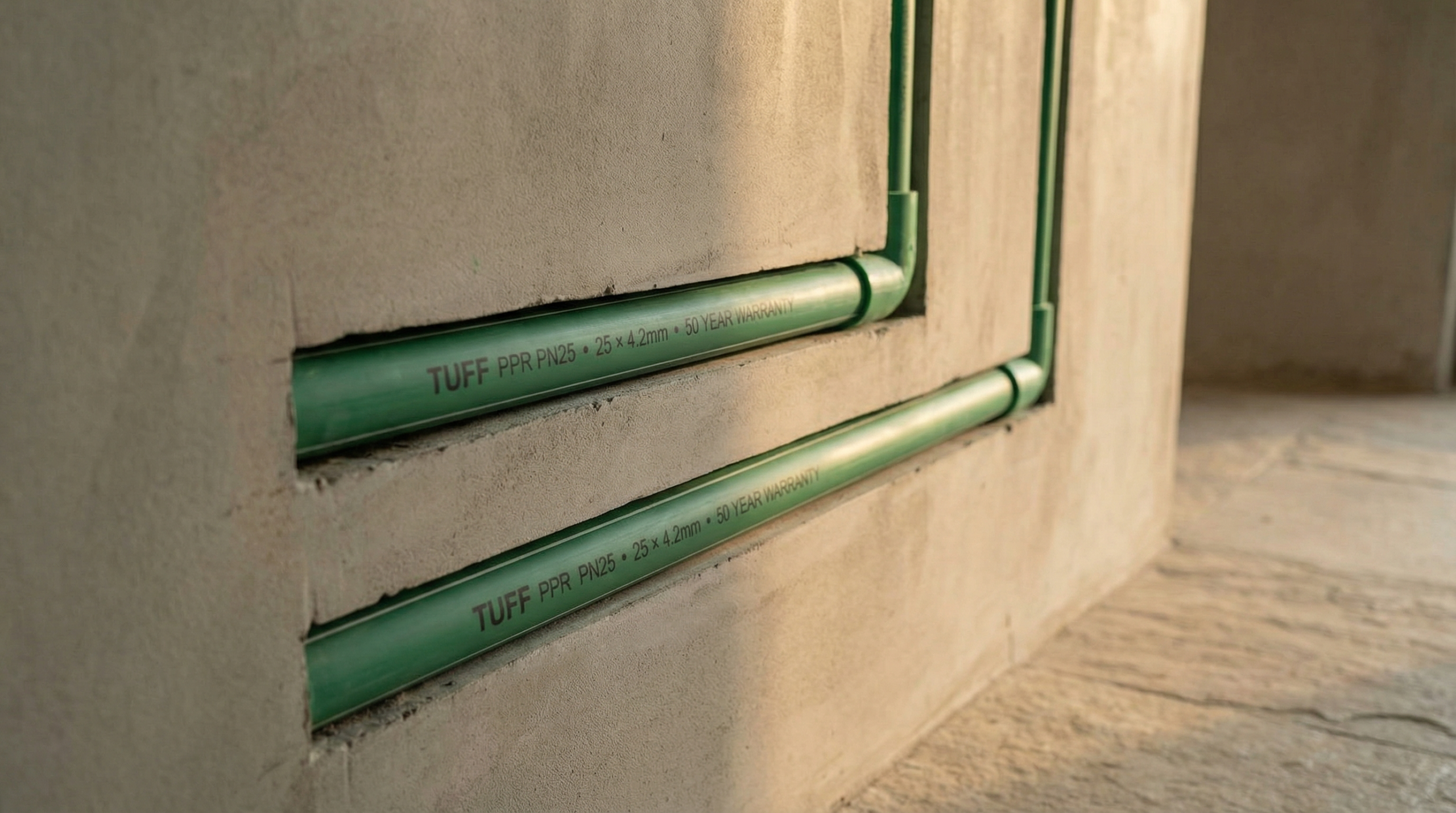
If you’ve ever looked closely at a PPR pipe, you’ve probably noticed markings such as PN10, PN16, PN20, or PN25 printed along its surface. These markings are more than product labels they identify the pipe’s Pressure Nominal (PN) rating, one of the most important specifications used when selecting PPR pipes for a plumbing system.
The term PN stands for Pressure Nominal, an internationally recognised designation that classifies a pipe according to its pressure capability under specified operating conditions. The number that follows the letters “PN” indicates the pipe’s pressure class and helps installers, engineers, and consultants choose a product suitable for the intended application.
For example, a PN25 PPR pipe belongs to a higher pressure class than a PN20 or PN16 pipe. However, this does not mean that a PN25 pipe should automatically be used for every installation. The appropriate pressure rating depends on factors such as the operating pressure, water temperature, system design, and the specific requirements of the project.
It is also important to understand that the PN rating should not be confused with the pipe’s size. A 25mm PN25 pipe and a 32mm PN25 pipe share the same pressure classification but have different diameters and are designed for different flow capacities. Likewise, two pipes of the same diameter may have different PN ratings depending on their intended operating conditions.

The PN marking forms part of the pipe’s technical identification and is used alongside other information such as the pipe size, manufacturing standard, material type, and manufacturer. Reading these markings correctly helps ensure that the selected pipe matches the design requirements of the plumbing system.
Understanding what the PN designation means is the first step toward selecting PPR pipes that are appropriate for both the pressure and temperature conditions of a project. It allows plumbing professionals to make informed decisions that contribute to safe, efficient, and reliable water distribution systems.
Why Are Pressure Ratings Important?
Pressure ratings are one of the most important factors to consider when selecting PPR pipes for a plumbing system. They help determine whether a pipe is suitable for the operating conditions of a particular application and play a key role in ensuring the safety, efficiency, and long-term reliability of the installation.
Every plumbing system operates under specific pressure and temperature conditions. Residential homes, apartment buildings, hospitals, hotels, commercial developments, and industrial facilities all have different water distribution requirements. Selecting a PPR pipe with an appropriate pressure rating helps ensure the system is designed to perform reliably under its intended operating conditions.
Choosing a pipe with an unsuitable pressure rating can affect the overall performance of the plumbing system. A pipe should always be selected based on the design requirements of the project, taking into account factors such as operating pressure, water temperature, system layout, and applicable engineering standards.
Pressure ratings are particularly important in hot water systems. As water temperature increases, the pressure handling capability of thermoplastic pipes changes. For this reason, Professional Plumbers and Engineers evaluate both pressure and temperature when selecting the appropriate PPR pipe for a project, rather than considering either factor in isolation.
Pressure ratings also contribute to the long term durability of a plumbing system. When pipes are correctly specified, installed using compatible fittings, and joined through proper fusion welding techniques, they help support dependable water distribution while reducing the likelihood of premature system failure caused by incorrect product selection.
Another important benefit of understanding pressure ratings is improved project planning. Architects, consultants, contractors, and developers can specify materials with greater confidence, knowing that the selected pipes are suitable for the intended application and compatible with the rest of the plumbing system.
Ultimately, pressure ratings are not simply technical markings printed on a pipe. They are an essential part of plumbing system design, helping professionals select products that support safe operation, efficient performance, and long term reliability.

Common PPR Pressure Ratings (PN10, PN16, PN20 & PN25)
PPR pipes are manufactured in different pressure classes to meet the varying requirements of plumbing systems. These pressure classes are identified by the PN (Pressure Nominal) designation printed on the pipe and help installers select products that match the operating conditions of each application.
The most common PPR pressure ratings are PN10, PN16, PN20, and PN25. Each pressure class is intended for specific operating conditions and should be selected according to the plumbing system’s design, expected pressure, water temperature, and intended use.
Understanding the differences between these pressure classes helps ensure that the correct pipe is specified for every project.
PN10 PPR Pipes
PN10 PPR pipes are designed for plumbing systems with relatively low operating pressure. They are commonly used in applications where pressure requirements are lower and water temperatures remain within the recommended operating range for the product.
Typical applications include:
- Low pressure cold water distribution
- Irrigation systems
- Non potable water systems
- Selected residential plumbing applications
The suitability of PN10 pipes should always be confirmed against the system’s operating conditions and applicable plumbing standards.
PN16 PPR Pipes
PN16 PPR pipes are commonly used in plumbing systems requiring a higher pressure class than PN10. They are suitable for a variety of cold water installations and other applications where the operating conditions fall within the manufacturer’s specifications.
Typical applications include:
- Residential water distribution
- Apartment buildings
- Commercial cold water systems
- General water supply networks
System designers should always consider both pressure and temperature when selecting PN16 pipes.
PN20 PPR Pipes
PN20 PPR pipes are widely used in residential and commercial plumbing systems because they are suitable for a broad range of hot and cold water applications when installed under the appropriate operating conditions.
Common applications include:
- Residential plumbing
- Commercial buildings
- Hot and cold water supply systems
- Educational institutions
- Healthcare facilities
PN20 pipes are frequently specified for projects that require dependable performance under demanding everyday operating conditions.
PN25 PPR Pipes
PN25 PPR pipes represent one of the highest commonly available pressure classes for building plumbing systems. They are widely specified for projects requiring enhanced pressure capability and reliable performance in demanding hot and cold water installations.
Typical applications include:
- High rise buildings
- Hotels
- Hospitals
- Commercial developments
- Industrial facilities
- Central hot water distribution systems
Because of their pressure classification, PN25 pipes are often selected for projects where higher operating demands require robust system performance, provided they are installed according to the manufacturer’s recommendations.
Choosing the Appropriate Pressure Class
Selecting the correct pressure rating is not about choosing the highest PN classification available. The most appropriate pressure class depends on several important factors, including:
- Operating pressure
- Water temperature
- Building type
- Plumbing system design
- Applicable plumbing standards
- Manufacturer recommendations
Professional plumbers and engineers evaluate these factors together to ensure that the selected PPR pipe is suitable for the intended application and capable of delivering reliable long term performance.
Choosing the appropriate pressure class helps create plumbing systems that are safe, efficient, and designed to perform under their specified operating conditions.
| Pressure Class | Typical Applications |
|---|---|
| PN10 | Low-pressure water systems |
| PN16 | Residential & commercial cold water |
| PN20 | Hot & cold water distribution |
| PN25 | High demand residential, commercial & industrial systems |
Understanding Pressure Ratings and Temperature
Pressure and temperature are two closely related factors in the performance of any PPR plumbing system. While the PN (Pressure Nominal) rating indicates the pipe’s pressure classification, its operating performance should always be evaluated alongside the temperature of the water flowing through the system.
This relationship is particularly important because plumbing systems are used for both cold and hot water distribution. A pipe that performs well in a cold water installation may be subjected to different operating conditions when used in a hot water system. For this reason, professional plumbers and engineers consider pressure and temperature together during system design.
As operating temperatures increase, the working pressure that a thermoplastic pipe can safely accommodate changes. This is a normal characteristic of PPR material and is one of the reasons manufacturers provide technical guidance for different operating conditions. Selecting the correct pressure class helps ensure that the pipe is suitable for its intended application throughout its expected service life.
For example, a residential cold water network, a domestic hot water system, and a commercial hot water circulation system each place different demands on a plumbing installation. The appropriate PPR pipe should therefore be selected based on the combined operating conditions rather than on pressure or temperature alone.
Professional system designers also consider factors such as operating pressure, water temperature, installation environment, and expected service life when specifying PPR pipes. Evaluating these factors together helps create plumbing systems that perform reliably while supporting long term durability.
It is equally important to follow the manufacturer’s recommendations during installation. Using compatible fittings, applying correct fusion welding procedures, and operating the system within the specified design limits all contribute to dependable performance over time.
Understanding the relationship between pressure and temperature enables plumbers, contractors, engineers, and consultants to make informed product selections and design plumbing systems that are safe, efficient, and built for long-term service.
How to Choose the Right PPR Pressure Rating
Selecting the correct PPR pressure rating is an essential part of designing a safe and reliable plumbing system. While higher pressure classes may offer greater operating capability under specified conditions, the most suitable choice is always the one that matches the actual requirements of the project.
Professional plumbers, engineers, and consultants evaluate several technical factors before specifying the appropriate PPR pressure class. Considering these factors together helps ensure the plumbing system operates efficiently, complies with design requirements, and delivers dependable long-term performance.
1. Understand the System’s Operating Pressure
The first step is to determine the operating pressure of the plumbing system.
Every water distribution network is designed to operate within a specific pressure range. Selecting a PPR pipe with a pressure rating appropriate for those operating conditions helps ensure reliable performance throughout the system’s expected service life.
2. Consider Water Temperature
Operating temperature has a direct influence on PPR pipe performance.
Cold water installations and hot water systems place different demands on plumbing materials. The selected pressure class should therefore be suitable for both the operating pressure and the expected water temperature, in accordance with the manufacturer’s recommendations.
3. Evaluate the Type of Building
The intended application plays an important role in selecting the appropriate pressure rating.
For example:
- Residential homes may have different plumbing requirements from apartment buildings.
- Hotels and hospitals often require more demanding hot water distribution systems.
- Commercial and industrial facilities may operate under higher or more complex service conditions.
Understanding the building’s intended use helps ensure that the selected pipe is appropriate for the project.
4. Review the Complete Plumbing Design
Pressure rating should never be considered in isolation.
Professional plumbing designs take into account pipe sizes, water demand, building height, pipe routing, fittings, valves, and operating conditions. Selecting the appropriate pressure class should always form part of the overall system design.
5. Use Compatible System Components
Reliable plumbing systems depend on more than correctly rated pipes.
PPR pipes should be installed with compatible fittings, valves, and fusion welding equipment designed for the same system. Using compatible components helps simplify installation and supports dependable long-term performance.
6. Follow Manufacturer Specifications
Manufacturers provide technical guidance on the recommended applications, operating conditions, and installation requirements for their products.
Following these recommendations helps ensure the selected pressure class performs as intended and contributes to the longevity of the plumbing system.
7. Seek Professional Technical Advice
For larger or more complex projects, consulting qualified plumbing professionals is always recommended.
Engineers and experienced installers evaluate pressure requirements, temperature conditions, hydraulic performance, and applicable plumbing standards before specifying materials. Their expertise helps reduce design errors and ensures the plumbing system is suited to its intended application.
Choose Based on Performance, Not Assumptions
Selecting the right PPR pressure rating is not about choosing the highest available pressure class it is about choosing the pipe that best matches the operating conditions of the project.
By considering operating pressure, water temperature, building type, plumbing design, compatible components, and manufacturer recommendations, construction professionals can build plumbing systems that deliver safe, efficient, and reliable performance for many years.

Applications of Different PPR Pressure Classes
Every plumbing system has unique operating requirements, which is why PPR pipes are manufactured in different pressure classes. Selecting the appropriate pressure rating helps ensure that the pipe is suitable for the system’s operating conditions while supporting safe, efficient, and reliable water distribution.
Although PPR pressure classes share the same basic material composition, they are intended for different operating environments. Professional plumbers and engineers select the appropriate pressure class based on factors such as operating pressure, water temperature, system design, and the intended application.
The following overview highlights the common applications of each PPR pressure class.
PN10 Applications
PN10 PPR pipes are commonly used in plumbing systems where operating pressures are relatively low and the installation falls within the manufacturer’s recommended operating conditions.
Typical applications include:
- Low pressure cold water systems
- Irrigation networks
- Landscape water distribution
- Selected utility water installations
The suitability of PN10 pipes should always be confirmed against the project’s design requirements.
PN16 Applications
PN16 PPR pipes are widely used in water distribution systems that require a higher pressure classification than PN10 while remaining within the specified operating conditions.
Typical applications include:
- Residential water supply
- Apartment buildings
- Commercial cold water systems
- Educational facilities
- Office buildings
Professional system design ensures the selected pressure class matches the operating conditions of the installation.
PN20 Applications
PN20 PPR pipes are commonly specified for a variety of residential and commercial plumbing systems that distribute both hot and cold water.
Typical applications include:
- Residential plumbing
- Hotels
- Healthcare facilities
- Schools
- Commercial office developments
- Domestic hot water systems
The final selection should always consider operating temperature, pressure, and manufacturer recommendations.
PN25 Applications
PN25 PPR pipes are frequently selected for plumbing systems that require a higher pressure classification under specified operating conditions. They are commonly used in demanding residential, commercial, and industrial applications where reliable long term performance is essential.
Typical applications include:
- High rise residential buildings
- Hospitals
- Hotels and hospitality projects
- Commercial developments
- Industrial facilities
- Centralised hot water distribution systems
- Large institutional buildings
When installed correctly using compatible fittings and proper fusion welding techniques, PN25 pipes provide dependable performance in modern plumbing systems.
| Pressure Class | Typical Applications |
|---|---|
| PN10 | Irrigation, low-pressure water systems |
| PN16 | Residential and commercial cold water |
| PN20 | Residential and commercial hot & cold water |
| PN25 | High-rise buildings, hotels, hospitals, industrial projects |
Choosing the Right Pressure Class for the Application
No single pressure class is suitable for every plumbing project.
The correct choice depends on the building type, operating pressure, water temperature, plumbing layout, and the overall system design. Selecting the appropriate pressure class helps ensure compatibility with other plumbing components while supporting reliable operation throughout the expected service life of the installation.
By understanding the intended applications of each PPR pressure class, homeowners, plumbers, contractors, engineers, and developers can make informed decisions that contribute to safer and more efficient plumbing systems.
Common Mistakes When Selecting PPR Pressure Ratings
Selecting the correct PPR pressure rating is a critical part of designing a reliable plumbing system. While pressure ratings are clearly marked on PPR pipes, they are sometimes misunderstood or overlooked during product selection. These mistakes can lead to inappropriate material choices, unnecessary costs, or plumbing systems that do not perform as intended.
Understanding the most common selection errors helps plumbers, contractors, engineers, and homeowners make better decisions before installation begins.
1. Assuming a Higher PN Rating Is Always Better
One of the most common misconceptions is that the highest available pressure class should always be used.
Although higher pressure classes are designed for more demanding operating conditions, they are not automatically the best choice for every project. The correct pressure rating should always match the operating pressure, water temperature, and plumbing system design.
2. Ignoring Water Temperature
Pressure ratings should never be considered independently of temperature.
A plumbing system carrying cold water may have different performance requirements from one distributing hot water. Professional system design always evaluates these two factors together to ensure the selected pipe is appropriate for its intended application.
3. Confusing Pressure Rating with Pipe Size
Another common mistake is assuming that the pressure rating determines the size of the pipe.
In reality, pipe size and pressure rating are two separate specifications. A 25mm PN25 pipe and a 32mm PN25 pipe have the same pressure classification but different diameters and flow capacities. Likewise, two pipes of the same diameter may have different PN ratings.
4. Selecting Pipes Without Reviewing the Plumbing Design
Pressure rating should never be chosen in isolation.
Professional plumbing designs consider operating pressure, pipe size, water demand, building type, pipe routing, fittings, valves, and expected service conditions before specifying the appropriate PPR pipe.
Skipping this process may result in unsuitable product selection.
5. Mixing Incompatible System Components
A high quality PPR pipe should always be used with compatible fittings, valves, and fusion welding equipment.
Using components that are not designed to work together may affect installation quality and reduce the overall reliability of the plumbing system.
6. Overlooking Manufacturer Specifications
Every manufacturer provides guidance on the intended operating conditions, installation requirements, and recommended applications for their PPR products.
Ignoring these recommendations may lead to incorrect product selection and reduced system performance.
7. Relying on Assumptions Instead of Technical Guidance
Every plumbing project has unique requirements.
Selecting pressure ratings based on habit or assumption rather than technical specifications can result in systems that are not properly matched to their operating conditions. Consulting qualified plumbing professionals and following engineering recommendations helps reduce these risks.
Avoid Mistakes Before Installation Begins
Many plumbing issues can be prevented through careful planning and informed product selection. Understanding how pressure ratings relate to operating pressure, temperature, system design, and manufacturer recommendations allows construction professionals to choose the most suitable PPR pipes for each project.
Making the right decisions before installation begins helps create plumbing systems that are efficient, reliable, and built for long term performance.
Best Practices for Choosing PPR Pipes Based on Pressure Ratings
Selecting the appropriate PPR pressure rating is not simply a matter of reading the PN marking printed on a pipe. It requires an understanding of the plumbing system’s operating conditions and careful consideration of how the entire installation will perform over its expected service life.
Professional Plumbers, Engineers, Architects, and Consultants follow recognised design principles to ensure the selected PPR pipes meet the technical requirements of each project. Applying these best practices helps improve installation quality, system reliability, and long term performance.
1. Begin with a Proper System Design
Every successful plumbing installation starts with a well-developed design.
Before selecting a pressure class, review the complete plumbing layout to understand the operating conditions, water distribution requirements, pipe routing, and intended applications. Pressure rating should always be selected as part of the overall system design rather than as an isolated specification.
2. Evaluate Pressure and Temperature Together
Pressure and temperature work together to determine the operating conditions of a PPR plumbing system.
Rather than considering pressure alone, evaluate the expected water temperature throughout the installation and select a pressure class that is appropriate for both factors, in accordance with the manufacturer’s technical recommendations.
3. Match the Pressure Rating to the Application
Different plumbing systems have different operating requirements.
Residential homes, commercial buildings, hospitals, hotels, industrial facilities, and institutional projects may require different pressure classifications depending on their design and operating conditions. Selecting the appropriate pressure class helps ensure the plumbing system is suited to its intended purpose.
4. Use Compatible System Components
A reliable plumbing system depends on the compatibility of every component.
PPR pipes should always be used with matching fittings, valves, and fusion welding equipment designed for the same plumbing system. Compatible components help achieve consistent fusion joints and support dependable long term operation.
5. Follow Manufacturer Recommendations
Manufacturers provide detailed technical guidance covering pressure classifications, operating conditions, installation methods, and recommended applications.
Following these recommendations helps ensure the selected PPR pipes are used within their intended design parameters and perform as expected throughout their service life.
6. Install Using Proper Fusion Welding Techniques
Even the correct pressure-rated pipe can underperform if installation practices are poor.
Proper fusion welding procedures including correct heating time, insertion depth, alignment, and cooling time are essential for producing strong, reliable joints that maintain the integrity of the plumbing system.
7. Consult Qualified Plumbing Professionals
For complex residential, commercial, or industrial projects, pressure rating selection should always be supported by qualified plumbing professionals.
Experienced engineers and installers assess operating conditions, hydraulic requirements, plumbing standards, and project specifications before recommending the appropriate pressure class.
| Best Practice | ✓ |
|---|---|
| Review the complete plumbing design | ✔ |
| Evaluate pressure and temperature together | ✔ |
| Match the pressure class to the application | ✔ |
| Use compatible pipes and fittings | ✔ |
| Follow manufacturer recommendations | ✔ |
| Apply proper fusion welding techniques | ✔ |
| Consult qualified plumbing professionals | ✔ |
Good Planning Delivers Long-Term Performance
Choosing the correct pressure rating is part of building a plumbing system designed for long term reliability. By following recognised best practices, using compatible components, and applying professional installation methods, construction professionals can create systems that operate safely and efficiently throughout their intended service life.
The best plumbing systems are built through informed decisions, quality materials, and professional workmanship not assumptions.
Pressure Rating vs Pipe Size: What’s the Difference?
When selecting a PPR pipe, two specifications are often printed side by side: the pipe size and the PN pressure rating. Although both are essential for designing a plumbing system, they describe different characteristics of the pipe and should never be confused.
Understanding the distinction between these specifications helps plumbers, engineers, contractors, and homeowners choose the right pipe for the intended application.
What Is Pipe Size?
Pipe size refers to the outside diameter (OD) of the PPR pipe. It determines how much water the pipe can transport through the plumbing system and influences the flow capacity of the installation.
Common PPR pipe sizes include:
- 20mm
- 25mm
- 32mm
- 40mm
- 50mm
- 63mm
- 75mm
- 90mm
- 110mm
As the pipe diameter increases, the pipe can generally carry greater volumes of water, making larger sizes suitable for main distribution lines and larger buildings.
Pipe size is therefore selected primarily according to:
- Water demand
- Number of plumbing fixtures
- Building size
- Pipe length
- Overall plumbing design
What Is Pressure Rating?
The PN (Pressure Nominal) rating identifies the pipe’s pressure classification under specified operating conditions.
Unlike pipe size, the PN rating does not indicate how much water the pipe can carry. Instead, it helps determine whether the pipe is suitable for the operating pressure and temperature of the plumbing system.
Common pressure classes include:
- PN10
- PN16
- PN20
- PN25
Selecting the appropriate pressure class helps ensure that the pipe matches the intended operating conditions of the installation.
Pipe Size and Pressure Rating Work Together
Pipe size and pressure rating are independent specifications, but both are required to select the correct PPR pipe.
For example:
- A 25mm PN20 pipe and a 25mm PN25 pipe have the same outside diameter but different pressure classifications.
- A 25mm PN25 pipe and a 32mm PN25 pipe share the same pressure class but have different diameters and flow capacities.
This demonstrates that pipe size determines water flow, while pressure rating determines the operating pressure class. Both specifications must be considered together during plumbing system design.
Reading a PPR Pipe Correctly
Every PPR pipe contains technical markings that provide important information for installers.
A typical marking may include:
- Manufacturer’s name
- Pipe material
- Pipe size (e.g., 25mm)
- PN pressure rating (e.g., PN25)
- Production standard
- Manufacturing information
Understanding these markings allows professionals to verify that the selected pipe meets the project specifications before installation begins.
Both Specifications Are Essential
A reliable plumbing system cannot be designed using pipe size or pressure rating alone.
Professional plumbers and engineers evaluate both specifications together, alongside water temperature, operating conditions, plumbing layout, and compatible system components. This integrated approach helps ensure efficient water distribution, safe operation, and dependable long term performance.
Frequently Asked Questions (FAQs) About PPR Pressure Ratings
1. What does PN mean on a PPR pipe?
PN stands for Pressure Nominal. It is the pressure classification of a PPR pipe under specified operating conditions and helps installers select the appropriate pipe for different plumbing applications. The PN rating should always be considered together with operating temperature, pipe size, and the overall plumbing system design.
2. What is the difference between PN10, PN16, PN20, and PN25?
These numbers represent different pressure classes.
- PN10 is commonly used for lower pressure applications.
- PN16 is suitable for a range of residential and commercial water distribution systems.
- PN20 is widely used for hot and cold water installations.
- PN25 is commonly specified for more demanding plumbing systems that require a higher pressure classification.
The appropriate choice depends on the project’s operating conditions and the manufacturer’s recommendations.
3. Is PN25 better than PN20?
Not necessarily.
A PN25 pipe belongs to a higher pressure class than PN20, but that does not automatically make it the correct choice for every project. The best pressure rating is the one that matches the operating pressure, water temperature, and plumbing design of the installation.
4. Which PPR pressure rating is best for hot water systems?
There is no single pressure rating that is suitable for every hot water installation.
The correct pressure class should be selected based on the operating pressure, water temperature, system design, and the manufacturer’s technical guidance. Professional plumbers and engineers evaluate all of these factors when specifying PPR pipes.
5. Can PPR pipes with different PN ratings be connected together?
Yes, provided they are compatible in size, installed using the correct PPR fusion welding techniques, and the overall plumbing system is designed appropriately.
The selection of different pressure classes within a system should always follow the project specifications and engineering requirements.
6. Does a higher PN rating mean a stronger pipe?
A higher PN rating indicates that the pipe belongs to a higher pressure classification under specified operating conditions. However, selecting a higher pressure class than required does not automatically improve the performance of the plumbing system. Proper system design remains the most important factor.
7. Does the PN rating affect pipe size?
No.
The PN rating and the pipe size are separate specifications. Pipe size determines the flow capacity of the system, while the PN rating identifies the pipe’s pressure classification.
For example, a 25mm PN25 pipe and a 32mm PN25 pipe have the same pressure class but different diameters.
8. How does water temperature affect PPR pressure ratings?
Water temperature is an important consideration when selecting a PPR pressure class.
As operating temperature increases, the pipe’s allowable working pressure changes. For this reason, pressure rating and operating temperature should always be evaluated together during plumbing system design.
9. Are all PPR pipes pressure rated?
Yes.
PPR pipes are manufactured with pressure classifications such as PN10, PN16, PN20, or PN25, depending on their intended operating conditions. The pressure rating is typically printed on the pipe together with other technical specifications.
10. How do I choose the correct PPR pressure rating?
The appropriate pressure rating depends on several factors, including:
- Operating pressure
- Water temperature
- Pipe size
- Building type
- Plumbing system design
- Manufacturer recommendations
For larger or more complex projects, it is advisable to consult a qualified plumbing professional or engineer.
11. Does a higher PN rating increase water flow?
No.
Water flow is primarily influenced by the pipe size, plumbing layout, and system design. The PN rating identifies the pipe’s pressure classification, not its flow capacity.
12. How can I identify the pressure rating of a PPR pipe?
The pressure rating is printed directly on the pipe as part of its technical markings.
In addition to the PN designation, the markings typically include:
- Manufacturer’s name
- Pipe material
- Pipe size
- Production standard
- Manufacturing information
Reading these markings helps confirm that the pipe is suitable for the intended application.

Conclusion
Understanding PPR pressure ratings is essential for designing plumbing systems that are safe, efficient, and built for long term performance. While the PN marking may appear to be a simple technical specification, it provides valuable information about the operating conditions for which a pipe is designed.
Throughout this guide, we’ve explored what pressure ratings mean, why they matter, the differences between common pressure classes, and how factors such as operating pressure, water temperature, pipe size, and plumbing design influence the selection process. We’ve also examined common selection mistakes and the best practices that help professionals specify the right PPR pipes for every application.
One of the most important lessons is that pressure rating should never be considered in isolation. A reliable plumbing system is the result of several components working together, including the correct pressure class, appropriate pipe size, compatible fittings, professional fusion welding, and installation in accordance with recognised standards and manufacturer recommendations.
Whether you’re installing a residential water supply, designing a commercial development, or specifying materials for an industrial project, selecting the appropriate pressure rating helps support dependable water distribution and contributes to the long term durability of the plumbing system.
As modern buildings become more sophisticated and performance expectations continue to increase, the importance of informed material selection becomes even greater. Understanding pressure ratings allows plumbers, engineers, architects, contractors, developers, and homeowners to make confident decisions that improve installation quality and reduce the risk of avoidable system failures.
Ultimately, the strength of a plumbing system is determined not only by the quality of its components but also by the knowledge used to select and install them. By combining the correct pressure rating with quality materials and professional workmanship, every project can benefit from a plumbing system designed to deliver reliable performance for many years.

Why Choose TUFF PN25 PPR Pipes?
Selecting the correct pressure rating is only part of building a reliable plumbing system. Equally important is choosing PPR pipes that are manufactured to consistent quality standards, designed for dependable performance, and supported by a complete range of compatible plumbing components.
At TUFF Bathrooms, we understand that professional plumbers, engineers, architects, contractors, and developers require plumbing solutions they can specify and install with confidence. That’s why our PN25 PPR Pipes are developed to meet the demands of modern hot and cold water distribution systems across residential, commercial, institutional, and industrial projects.
Designed for Demanding Plumbing Applications
TUFF PN25 PPR Pipes are manufactured for plumbing systems where dependable performance and long term reliability are essential. When installed according to the manufacturer’s recommendations and used within their specified operating conditions, they provide an efficient solution for modern water distribution systems.
Whether the project involves a residential development, a commercial complex, or an industrial facility, TUFF PN25 PPR Pipes are designed to support consistent system performance throughout their intended service life.
A Complete PPR Plumbing System
Reliable plumbing systems are built with compatible components that work together seamlessly.
TUFF offers a complete PPR plumbing solution, including:
- TUFF PN25 PPR Pipes
- TUFF PPR Fittings
- TUFF Ball Valves
- TUFF Fusion Welding Machines
- TUFF PPR Accessories
Using compatible products throughout the installation helps simplify fusion welding, improve installation consistency, and support dependable long-term system performance.
Manufactured for Modern Construction
Modern buildings require plumbing systems that can meet the demands of continuous daily operation.
TUFF PN25 PPR Pipes are suitable for a wide range of applications, including:
- Residential homes
- Apartment developments
- Hotels and hospitality projects
- Hospitals and healthcare facilities
- Commercial buildings
- Educational institutions
- Industrial facilities
Their versatility makes them an excellent choice for professionals working across different sectors of the construction industry.
Supporting Professionals Beyond the Product
At TUFF Bathrooms, we believe that quality products should be supported by quality knowledge.
That is why we continue to invest in technical education, installation guidance, and practical resources that help Plumbers, Contractors, Engineers, and Developers make informed decisions throughout every stage of a project.
Our goal is not simply to supply plumbing products but to contribute to better plumbing standards by sharing reliable technical information that supports successful installations.
Built for Performance. Backed by Expertise.
A dependable plumbing system begins with informed decisions. Selecting the appropriate pressure rating, choosing compatible components, and following professional installation practices all contribute to long term system reliability.
With TUFF PN25 PPR Pipes, you’re choosing more than a product you’re choosing a complete plumbing solution supported by technical expertise, compatible system components, and a commitment to quality.

Build Smarter. Build Stronger. Build with TUFF.
Speak with a TUFF Plumbing Expert
Understanding PPR pressure ratings is an important step towards designing a reliable plumbing system. However, every project presents its own technical requirements. Factors such as operating pressure, water temperature, building type, plumbing layout, and system design all influence the most appropriate pressure class and product selection.
Whether you’re planning a residential development, specifying materials for a commercial building, designing a healthcare facility, or managing a large industrial project, making the right decisions at the planning stage can improve installation quality, support long term performance, and help avoid unnecessary costs.
At TUFF Bathrooms, we provide more than premium plumbing products. Our team offers technical guidance to help industry professionals select the right PPR pipes, fittings, valves, and fusion welding equipment for their specific applications.
Our Technical Team Can Help You With
- Selecting the appropriate PPR pressure rating for your project.
- Understanding the differences between PN10, PN16, PN20, and PN25 pressure classes.
- Choosing compatible PPR pipes, fittings, and accessories.
- Selecting the correct fusion welding equipment.
- Planning residential, commercial, and industrial plumbing systems.
- Understanding product specifications and recommended applications.
- Connecting you with an authorised TUFF distributor or showroom.
Whether you’re a plumber installing a residential water system or an engineer specifying materials for a large commercial development, our team is ready to provide practical guidance based on your project’s requirements.
Why Partner with TUFF?
At TUFF Bathrooms, we believe that successful plumbing projects begin with informed decisions. That’s why we combine premium PN25 PPR Pipes, compatible plumbing components, and practical technical expertise to help professionals deliver reliable plumbing systems.
Our commitment extends beyond supplying products. Through technical resources, educational content, and professional support, we aim to help raise plumbing standards while giving our customers the confidence to specify and install the right solutions for every project.
Let’s Build Your Next Project Together
If you’re unsure which PPR pressure rating is right for your application or need technical advice before installation begins, our team is ready to help.
Speak with a TUFF Plumbing Expert for guidance on selecting the right pressure class, choosing compatible plumbing products, and designing a system that delivers reliable performance for years to come.

Contact TUFF Bathrooms today and speak with a Plumbing Expert.
Strong Call to Action
Choose the Right Pressure Rating. Build with Confidence.
Every reliable plumbing system begins with informed product selection. Choosing the correct PPR pressure rating helps ensure safe operation, dependable performance, and long-term durability in both hot and cold water applications.
At TUFF Bathrooms, our PN25 PPR Pipes are manufactured to meet the demands of modern plumbing systems. Combined with precision-engineered fittings, fusion welding equipment, and technical support, they provide a complete plumbing solution for residential, commercial, and industrial projects.
Whether you’re a plumber, contractor, engineer, architect, developer, or homeowner, our team is ready to help you choose the right PPR products for your application.
Explore TUFF’s complete range of PN25 PPR pipes, download our product catalogue, or speak with a TUFF Plumbing Expert today.
Build Smarter. Build Stronger. Build with TUFF.