
Table of Contents
- What Are PPR Pipe Sizes?
- Why Is Choosing the Right PPR Pipe Size Important?
- How Are PPR Pipe Sizes Measured?
- Standard PPR Pipe Sizes
- PPR Pipe Size Chart
- Common Applications of Different PPR Pipe Sizes
- Factors to Consider When Choosing a PPR Pipe Size
- PPR Pipe Sizes for Residential Buildings
- PPR Pipe Sizes for Commercial and Industrial Projects
- Common Mistakes When Selecting PPR Pipe Sizes
- Best Practices for Choosing PPR Pipe Sizes
- Frequently Asked Questions (FAQs)
- Conclusion
- Why Choose TUFF PN25 PPR Pipes?
- Speak With a TUFF Plumbing Expert
What Are PPR Pipe Sizes?
PPR pipe sizes refer to the standard diameters of Polypropylene Random Copolymer (PPR) pipes used in hot and cold water plumbing systems. These sizes determine the amount of water the pipe can carry and play an important role in the design, efficiency, and performance of a plumbing installation.
Every plumbing project has different water distribution requirements. A small residential home may only require smaller diameter pipes for individual fixtures, while larger commercial buildings, hotels, hospitals, and industrial facilities often require larger pipe sizes to supply multiple outlets and higher water demand.
PPR pipes are manufactured in a range of standard sizes to suit these varying applications. Each size is designed to work with compatible PPR fittings, valves, and fusion welding equipment, allowing installers to build complete plumbing systems that deliver efficient water flow and reliable long term performance.
It is important to understand that a larger pipe is not always the better choice. The correct pipe size depends on factors such as the number of fixtures being supplied, expected water demand, operating pressure, pipe length, and the overall plumbing design. Selecting the appropriate size helps maintain consistent water flow, supports system efficiency, and contributes to dependable performance throughout the building.
Whether you are a homeowner planning a renovation, a plumber carrying out an installation, or an engineer designing a large water distribution network, understanding PPR pipe sizes is the first step toward building a plumbing system that is designed to perform efficiently for years to come.

Why Is Choosing the Right PPR Pipe Size Important?
Choosing the correct PPR pipe size is one of the most important decisions in designing a plumbing system. While the quality of the pipe and installation methods are critical, the pipe diameter directly affects how efficiently water is delivered throughout a building.
A correctly sized PPR pipe helps maintain consistent water flow, supports adequate pressure, and ensures that fixtures receive the amount of water they are designed to use. Selecting a pipe that is too small may restrict water flow and reduce system efficiency, while selecting one that is unnecessarily large can increase material costs and complicate installation without providing additional benefits.
Professional plumbers and engineers determine pipe sizes based on the specific requirements of each project rather than relying on assumptions. Factors such as the number of plumbing fixtures, expected water demand, pipe length, operating pressure, and building type all influence the appropriate pipe size.
For example, a single wash basin or kitchen sink typically requires a smaller pipe than the main supply line serving an entire residential building. Likewise, hotels, hospitals, shopping centres, and industrial facilities often require larger distribution pipes capable of supplying multiple outlets simultaneously.
Choosing the correct pipe size also contributes to the overall efficiency of the plumbing system. Properly sized pipes help maintain balanced water distribution, reduce unnecessary pressure losses, and support reliable performance across both hot and cold water installations.
In addition, using the correct pipe size simplifies the selection of compatible PPR fittings, valves, and accessories. When all system components are matched correctly, installers can achieve accurate heat fusion joints and build plumbing systems designed for dependable long term operation.
Ultimately, selecting the right PPR pipe size is not about choosing the largest available option, it is about choosing the size that best suits the design requirements of the project. A well designed plumbing system begins with informed sizing decisions that support efficiency, durability, and long term performance.
How Are PPR Pipe Sizes Measured?
Understanding how PPR pipe sizes are measured is essential for selecting compatible pipes, fittings, and installation tools. One of the most common misconceptions is that the stated pipe size refers to the internal opening of the pipe. In reality, PPR pipe sizes are generally identified by their outside diameter (OD).
For example, a 20mm PPR pipe has an outside diameter of approximately 20 millimetres. The internal diameter is smaller because part of the overall diameter is occupied by the pipe wall. The exact internal diameter varies depending on the pipe’s wall thickness and pressure rating.
This standardised measurement system ensures that PPR pipes, fittings, and fusion welding tools are compatible with one another. A 20mm PPR fitting is manufactured to fit a 20mm PPR pipe, while a 25mm fitting is designed specifically for a 25mm pipe. Matching the correct sizes helps achieve proper heat fusion and creates reliable, leak-resistant joints.
Pipe size should also not be confused with the pipe’s pressure rating, commonly expressed as PN (Pressure Nominal). The pipe size indicates the diameter of the pipe, while the PN rating indicates the pressure the pipe is designed to withstand under specified operating conditions. For example, a 20mm PN25 PPR pipe and a 32mm PN25 PPR pipe share the same pressure rating but have different diameters and serve different plumbing requirements.
Professional plumbers and engineers use pipe size, pressure rating, expected water demand, and system design together when selecting materials for a project. Understanding the difference between these specifications helps ensure that the plumbing system is designed for safe, efficient, and reliable operation.
By understanding how PPR pipe sizes are measured, homeowners and construction professionals can make more informed decisions when selecting pipes, fittings, and accessories for residential, commercial, and industrial plumbing systems.

Standard PPR Pipe Sizes
PPR pipes are manufactured in a range of standard sizes to meet the varying water distribution requirements of residential, commercial, institutional, and industrial plumbing systems. Each pipe size is designed for specific applications based on factors such as water demand, pipe length, building occupancy, and system design.
Using standardised pipe sizes ensures compatibility between PPR pipes, fittings, valves, and fusion welding equipment. This standardisation also allows Plumbers, Engineers, and Contractors to design and install plumbing systems with confidence, knowing that all system components are manufactured to work together.
The most commonly available PPR pipe sizes begin at 20mm for individual plumbing fixtures and extend to 110mm and larger for high capacity water distribution systems. Smaller diameters are typically used for branch supply lines, while larger diameters serve as main distribution pipes in commercial buildings and industrial facilities.
Below is an overview of the most commonly used PPR pipe sizes and their typical applications.
20mm PPR Pipe
The 20mm PPR pipe is one of the most widely used sizes in residential plumbing. It is commonly used to supply individual fixtures where water demand is relatively low.
Typical applications include:
- Wash basins
- Kitchen sinks
- Toilets
- Shower mixers
- Individual water outlets
Its compact size makes it ideal for branch connections within residential plumbing systems.
25mm PPR Pipe
The 25mm PPR pipe is commonly used where greater water flow is required than a 20mm pipe can provide. It is often installed as a branch supply line serving multiple fixtures or small sections of a building.
Typical applications include:
- Bathrooms
- Kitchen supply lines
- Water heaters
- Small residential distribution systems
- Multiple plumbing fixtures
32mm PPR Pipe
The 32mm PPR pipe is frequently used as a main distribution pipe in residential buildings and small commercial projects. It provides increased flow capacity, making it suitable for supplying several branch lines simultaneously.
Typical applications include:
- Main residential water supply
- Duplexes
- Small apartment buildings
- Commercial offices
- Water distribution manifolds
40mm PPR Pipe
The 40mm PPR pipe is designed for medium-capacity plumbing systems where higher water demand requires larger distribution lines.
Typical applications include:
- Hotels
- Schools
- Medium-sized commercial buildings
- Multi-storey residential developments
50mm PPR Pipe
The 50mm PPR pipe is commonly installed in larger commercial and institutional buildings that require significant water distribution capacity.
Typical applications include:
- Hospitals
- Shopping centres
- Large residential estates
- Commercial developments
- Industrial water supply systems
63mm PPR Pipe
The 63mm PPR pipe is typically used in large-scale plumbing systems where high water demand and continuous supply are essential.
Typical applications include:
- High-rise buildings
- Manufacturing facilities
- Hotels
- Institutional projects
- Main distribution networks
75mm, 90mm and 110mm PPR Pipes
Large diameter PPR pipes are designed for projects requiring substantial water flow over long distances or to serve large numbers of users.
These sizes are commonly specified by engineers for:
- Industrial facilities
- Municipal infrastructure
- Water treatment projects
- Large commercial developments
- Major residential estates
The exact pipe size should always be determined based on engineering calculations, expected water demand, operating conditions, and applicable plumbing standards.
Selecting the Appropriate Size
Every plumbing project has unique requirements, and no single pipe size is suitable for every application. Selecting the correct PPR pipe size requires careful consideration of the building’s water demand, plumbing layout, operating pressure, and future expansion requirements.
Professional system design, combined with quality PPR pipes and compatible fittings, helps create plumbing installations that are efficient, reliable, and built for long-term performance.
PPR Pipe Size Chart
Choosing the correct PPR pipe size begins with understanding how each standard diameter is used within a plumbing system. While every project has unique design requirements, standard PPR pipe sizes provide a practical guide for selecting pipes that match expected water demand and the intended application.
Smaller pipe sizes are commonly used for individual plumbing fixtures and branch supply lines, while larger diameters are designed to carry greater volumes of water through main distribution networks in residential, commercial, and industrial buildings.
The chart below provides an overview of the most commonly used PPR pipe sizes and their typical applications.
Standard PPR Pipe Size Chart
| Pipe Size (OD) | Typical Application | Common Building Type |
| 20mm | Individual water outlets, wash basins, toilets, kitchen sinks, showers | Residential homes |
| 25mm | Branch supply lines, water heaters, multiple plumbing fixtures | Residential and small commercial buildings |
| 32mm | Main water distribution within homes and duplexes | Residential estates, offices |
| 40mm | Medium-capacity water supply lines | Schools, hotels, apartment buildings |
| 50mm | Main plumbing distribution | Commercial buildings, hospitals, shopping centres |
| 63mm | High-capacity water distribution | High-rise buildings, factories, institutional projects |
| 75mm | Large water supply networks | Industrial facilities, infrastructure projects |
| 90mm | Major water distribution systems | Municipal and industrial installations |
| 110mm | High-volume water transmission | Large infrastructure and industrial projects |
Note: Actual pipe size selection should always be based on engineering calculations, expected water demand, operating pressure, pipe length, and applicable plumbing standards.
Understanding the Size Chart
The pipe size shown in the chart refers to the outside diameter (OD) of the PPR pipe. As the pipe diameter increases, the pipe is generally capable of carrying greater volumes of water, making larger sizes suitable for buildings with higher water demand.
However, selecting the largest pipe available does not necessarily improve system performance. Oversized pipes may increase material costs and affect system efficiency if they are not appropriate for the design.
Professional plumbers and engineers determine the correct pipe size by considering factors such as:
- Number of plumbing fixtures
- Water demand
- Pipe length
- Operating pressure
- Building occupancy
- Future expansion requirements
Using the appropriate pipe size helps ensure balanced water distribution, efficient system operation, and reliable long term performance.
| Pipe Size | Best Used For |
|---|---|
| 20mm | Individual fixtures |
| 25mm | Branch supply lines |
| 32mm | Main residential supply |
| 40mm | Apartment buildings |
| 50mm | Commercial buildings |
| 63mm | High-rise developments |
| 75–110mm | Industrial and infrastructure projects |
Pipe Size and System Compatibility
Each PPR pipe size is designed to work with corresponding PPR fittings, valves, and fusion welding tools. For example, a 25mm PPR pipe should be installed with 25mm PPR fittings and the appropriate fusion welding dies to achieve accurate heat fusion joints.
Using compatible components throughout the plumbing system helps improve installation quality, simplifies maintenance, and supports dependable system performance.
Common Applications of Different PPR Pipe Sizes
Selecting the correct PPR pipe size is closely linked to its intended application. Different buildings have different water demands, and each section of a plumbing system is designed to transport a specific volume of water. Using the appropriate pipe size helps maintain efficient water flow, supports reliable system performance, and ensures that each fixture receives an adequate water supply.
From residential homes to large industrial facilities, PPR pipe sizes are selected according to the plumbing design, expected water consumption, and the number of fixtures being served.
20mm PPR Pipe Applications
The 20mm PPR pipe is commonly used for individual water outlets and final connections to plumbing fixtures. It is the preferred choice where water demand is relatively low and only one fixture or appliance is being supplied.
Typical applications include:
- Wash basins
- Kitchen sinks
- Toilets
- Shower mixers
- Bidets
- Outdoor taps
Because of its compact size, the 20mm pipe is widely used in residential plumbing installations.
25mm PPR Pipe Applications
The 25mm PPR pipe is typically used as a branch supply line serving multiple plumbing fixtures. It provides greater water flow than a 20mm pipe and is suitable for areas where demand is slightly higher.
Common applications include:
- Bathroom supply lines
- Kitchen branches
- Water heater connections
- Small residential distribution systems
- Multiple fixture installations
32mm PPR Pipe Applications
The 32mm PPR pipe is frequently used as the main water distribution pipe in residential buildings and small commercial projects. It supplies water to several branch lines while maintaining consistent flow.
Typical applications include:
- Main supply lines for houses
- Duplexes
- Small apartment buildings
- Office buildings
- Residential estates
40mm PPR Pipe Applications
The 40mm PPR pipe is designed for medium-capacity plumbing systems where larger volumes of water are required.
Common applications include:
- Apartment complexes
- Hotels
- Schools
- Medium sized commercial buildings
- Institutional facilities
50mm PPR Pipe Applications
The 50mm PPR pipe is commonly specified for buildings with higher water demand and more complex plumbing systems.
Typical applications include:
- Hospitals
- Shopping centres
- Commercial developments
- Industrial buildings
- Large residential estates
63mm and Larger PPR Pipe Applications
PPR pipes measuring 63mm, 75mm, 90mm, and 110mm are generally used for large scale water distribution projects. These larger diameters are designed to carry higher volumes of water and are commonly specified by engineers for major developments.
Typical applications include:
- High-rise buildings
- Manufacturing facilities
- Industrial plants
- Water treatment systems
- Municipal infrastructure
- Large commercial developments
The final pipe size should always be determined by engineering calculations and project specific requirements.
Matching Pipe Size to the Application
No single PPR pipe size is suitable for every plumbing project. The correct choice depends on the building type, expected water demand, plumbing layout, and system design.
Using the right pipe size for each application helps improve water distribution, supports efficient system operation, and contributes to the long term reliability of the plumbing installation.
Whether the project is a residential home or a large commercial development, selecting the appropriate PPR pipe size is a key step in building a dependable plumbing system.
Factors to Consider When Choosing a PPR Pipe Size
Choosing the correct PPR pipe size involves more than selecting the pipe with the largest diameter. Every plumbing system is designed to meet specific water distribution requirements, and the appropriate pipe size depends on several technical and practical factors.
Professional plumbers, engineers, and consultants evaluate the entire plumbing system before specifying pipe sizes. Their goal is to ensure efficient water flow, maintain reliable pressure, and provide consistent performance throughout the building.
Understanding these key factors will help homeowners, contractors, and developers make more informed decisions when planning a plumbing project.
1. Water Demand
One of the first considerations is the amount of water the system will need to deliver.
A single bathroom in a residential home requires significantly less water than a hotel, hospital, office complex, or shopping centre serving hundreds of users. As water demand increases, larger pipe sizes may be required to distribute water efficiently throughout the system.
2. Number of Plumbing Fixtures
The number of fixtures connected to the plumbing system also influences pipe size selection.
Buildings with multiple bathrooms, kitchens, laundries, and outdoor water outlets generally require larger distribution pipes than buildings with only a few fixtures.
Professional plumbing design ensures that each fixture receives an adequate water supply without unnecessarily increasing system costs.
3. Building Type
Different buildings have different plumbing requirements.
For example:
- Residential homes typically use smaller branch and distribution pipes.
- Apartment buildings require larger main supply lines.
- Hotels and hospitals demand higher-capacity plumbing systems.
- Industrial facilities often require large-diameter distribution networks.
Pipe size should always reflect the intended use of the building.
4. Pipe Length
The distance that water must travel also affects pipe selection.
Longer pipe runs may require careful sizing to help maintain efficient water delivery throughout the system. This is especially important in large buildings and multi-storey developments.
5. Operating Pressure
The available water pressure should be considered during system design.
Professional designers evaluate pressure requirements alongside pipe size to ensure that water is distributed effectively throughout the building while remaining within the recommended operating conditions of the plumbing system.
6. Future Expansion
Planning for future growth can help avoid unnecessary modifications later.
If a building is expected to be expanded or additional plumbing fixtures may be installed in the future, this should be considered during the initial system design.
7. Use Compatible Plumbing Components
Selecting the correct pipe size also means choosing compatible PPR fittings, valves, and fusion welding equipment.
Using components that are designed to work together helps simplify installation, improve heat fusion quality, and support reliable long term system performance.
Make Informed Sizing Decisions
Every plumbing project is unique, and there is no universal pipe size suitable for every installation.
By considering water demand, building type, fixture count, pipe length, operating pressure, and future requirements, plumbers and engineers can design plumbing systems that deliver efficient water distribution, dependable performance, and long term reliability.
When in doubt, consult the plumbing design, relevant standards, or a qualified plumbing professional to ensure the selected pipe size is appropriate for the project.
| Question | ✓ |
|---|---|
| What is the expected water demand? | ✔ |
| How many fixtures will be supplied? | ✔ |
| What type of building is being served? | ✔ |
| How long are the pipe runs? | ✔ |
| What operating pressure is available? | ✔ |
| Is future expansion expected? | ✔ |
| Are all pipes and fittings compatible? | ✔ |
PPR Pipe Sizes for Residential Buildings
Residential plumbing systems are designed to provide a reliable supply of hot and cold water to kitchens, bathrooms, laundries, and outdoor water outlets. Choosing the correct PPR pipe size is essential to ensure efficient water distribution, maintain adequate pressure, and support the long term performance of the plumbing system.
Unlike commercial or industrial projects, residential buildings generally have lower water demand. However, this does not mean that every section of the plumbing system should use the same pipe size. Different parts of the system perform different functions, and each should be sized according to the expected flow requirements.
Main Water Supply Lines
The main supply line carries water from the source into the building before it is distributed to different sections of the house.
Depending on the size of the property and the plumbing design, 25mm or 32mm PPR pipes are commonly used for residential main distribution lines. Larger homes with multiple bathrooms or higher water demand may require larger pipe sizes based on engineering calculations.
Branch Supply Lines
Branch lines distribute water from the main supply to different areas of the home, such as bathrooms, kitchens, and laundry rooms.
20mm and 25mm PPR pipes are commonly used for these connections because they provide sufficient capacity for most residential plumbing fixtures while supporting efficient water flow.
Individual Fixture Connections
The final connections to plumbing fixtures usually require smaller pipe sizes.
Typical fixtures include:
- Wash basins
- Kitchen sinks
- Showers
- Toilets
- Water heaters
- Outdoor taps
These outlets are commonly supplied using 20mm PPR pipes, although the final pipe size should always follow the plumbing design and project specifications.

Multi-Storey Homes
Duplexes and multi storey residential buildings often require larger main distribution pipes to ensure water is supplied efficiently to upper floors.
Professional plumbers and engineers consider factors such as building height, water demand, pressure, and pipe length when selecting the appropriate pipe sizes for these projects.
Designing for Future Needs
When planning a new home, it is also worth considering future expansion. Additional bathrooms, outdoor kitchens, or extensions may increase water demand over time.
Designing the plumbing system with future requirements in mind can simplify later modifications and help avoid unnecessary alterations to the main distribution network.
Residential Plumbing Starts with the Right Pipe Size
Every home is different, and there is no single pipe size that suits every residential project. The best results are achieved when pipe sizes are selected according to the plumbing design, expected water demand, and the number of fixtures being served.
Combined with compatible PPR fittings, quality installation, and proper heat fusion techniques, the correct pipe size helps create a plumbing system designed for reliable performance and long-term durability.
| Area of the Home | Common PPR Pipe Size |
|---|---|
| Main water supply | 25mm–32mm |
| Branch supply lines | 20mm–25mm |
| Wash basins | 20mm |
| Kitchen sinks | 20mm |
| Showers | 20mm |
| Toilets | 20mm |
| Water heater connections | 20mm–25mm |
PPR Pipe Sizes for Commercial and Industrial Projects
Commercial and industrial buildings have significantly different plumbing requirements from residential properties. They serve more occupants, support greater water demand, and often operate continuously throughout the day. As a result, these projects require carefully designed plumbing systems with appropriately sized PPR pipes to ensure reliable water distribution and long term performance.
Selecting the correct pipe size is essential for maintaining adequate flow, supporting system efficiency, and delivering water consistently across multiple floors, departments, or production areas. Professional engineers determine pipe sizes based on detailed hydraulic calculations, building occupancy, fixture demand, operating pressure, and the overall plumbing design.
Commercial Buildings
Commercial developments such as office complexes, shopping malls, hotels, restaurants, and educational institutions require plumbing systems capable of supplying multiple fixtures simultaneously.
Depending on the project’s design, 32mm, 40mm, and 50mm PPR pipes are commonly used for main distribution lines, while smaller pipe sizes branch off to supply individual fixtures and service areas.
Typical commercial applications include:
- Office buildings
- Hotels and resorts
- Shopping malls
- Restaurants
- Schools and universities
- Healthcare clinics
Hospitals and Healthcare Facilities
Hospitals require reliable plumbing systems to support patient care, laboratories, operating theatres, kitchens, laundries, and sanitary facilities.
Pipe sizes are selected according to the specific requirements of each area, with larger distribution pipes supplying multiple departments while smaller branch lines serve individual outlets. Proper system design is essential to maintain dependable water supply throughout the facility.
Industrial Facilities
Factories, manufacturing plants, warehouses, and processing facilities often require high capacity water distribution systems for production processes, cooling systems, sanitation, and staff facilities.
For these applications, 50mm, 63mm, 75mm, 90mm, and 110mm PPR pipes are commonly specified, depending on the required flow capacity and engineering design.
Industrial plumbing systems should always be designed according to the operational requirements of the facility and relevant engineering standards.
High-Rise Developments
High rise residential and commercial buildings present additional plumbing challenges due to building height, water pressure requirements, and the number of occupants.
Larger PPR pipes are typically used for the main risers and distribution networks, while progressively smaller pipe sizes distribute water to individual floors and plumbing fixtures. This approach helps maintain efficient water delivery throughout the building.
Engineering Design Is Essential
Unlike smaller residential installations, commercial and industrial plumbing systems should never rely on assumptions when selecting pipe sizes.
Professional engineers consider several factors, including:
- Peak water demand
- Number of occupants
- Building height
- Pipe length
- Operating pressure
- Future expansion requirements
- Local plumbing regulations
Proper engineering design helps ensure that every section of the plumbing system performs efficiently while supporting reliable long term operation.
Built for Large-Scale Performance
Commercial and industrial plumbing systems demand more than larger pipes they require a complete, well designed system where pipe sizes, fittings, valves, and installation methods work together to deliver dependable performance.
Using appropriately sized PPR pipes, compatible system components, and professional installation practices helps create plumbing networks capable of meeting the demands of modern commercial and industrial developments.
Common Mistakes When Selecting PPR Pipe Sizes
Choosing the correct PPR pipe size is one of the most important aspects of plumbing system design. Even when high quality pipes and fittings are used, selecting the wrong pipe size can affect water flow, reduce system efficiency, and increase installation or maintenance costs.
Many plumbing issues are not caused by the pipe itself but by incorrect sizing decisions made during planning or installation. Understanding these common mistakes can help homeowners, plumbers, contractors, and developers build more reliable plumbing systems.
1. Assuming Bigger Pipes Are Always Better
One of the most common misconceptions is that using the largest available pipe will automatically improve water flow and system performance.
In reality, oversized pipes can increase material costs, occupy unnecessary installation space, and may not provide any performance benefit if they are not suited to the plumbing design.
The goal is not to choose the biggest pipe, but the pipe size that matches the system’s actual water demand.
2. Ignoring Water Demand
Every plumbing system is designed to supply a specific volume of water. Selecting pipe sizes without considering the number of fixtures, occupants, or expected water usage can lead to inefficient water distribution.
Proper pipe sizing should always reflect the building’s current and anticipated water demand.
3. Using the Same Pipe Size Throughout the System
A plumbing system is made up of main distribution lines, branch supply lines, and individual fixture connections. Each section performs a different function and may require a different pipe diameter.
Using the same pipe size throughout the entire installation can reduce efficiency and make the system unnecessarily expensive.
4. Overlooking Building Type
The plumbing requirements of a single family home differ significantly from those of a hotel, hospital, office complex, or industrial facility.
Selecting residential pipe sizes for a large commercial project or vice versa can affect the overall performance of the plumbing system.
5. Failing to Consider Future Expansion
Buildings often evolve over time. Additional bathrooms, kitchens, office spaces, or production areas may increase future water demand.
Planning for potential expansion during the design stage can reduce the need for major plumbing modifications later.
6. Ignoring Compatibility with Fittings
Every PPR pipe size should be matched with the correct fittings, valves, and fusion welding equipment.
Using incompatible components can make installation more difficult and may affect the quality of fusion joints. A complete, compatible plumbing system helps ensure consistent installation and dependable long term performance.
7. Skipping Professional Design
Pipe sizing should not be based on guesswork or assumptions.
Professional plumbers and engineers use plumbing design calculations to determine the appropriate pipe diameter for each section of the system, taking into account water demand, pressure, pipe length, and applicable standards.
Consulting experienced professionals helps reduce costly mistakes and supports efficient system performance.
Avoid Mistakes Before Installation Begins
Many plumbing problems can be prevented long before the first pipe is installed. By understanding the factors that influence pipe sizing and avoiding common selection mistakes, property owners and construction professionals can build plumbing systems that deliver efficient water distribution, reliable operation, and long-term durability.
Investing time in proper planning is one of the most effective ways to protect the performance of the entire plumbing system.
Best Practices for Choosing PPR Pipe Sizes
Selecting the correct PPR pipe size is one of the foundations of a well-designed plumbing system. The right pipe size helps ensure efficient water distribution, supports reliable system performance, and contributes to the long term durability of the installation.
Whether you’re designing a residential plumbing system or specifying materials for a large commercial development, following proven best practices can help reduce installation challenges and improve overall system performance.
1. Start with the Plumbing Design
Every successful plumbing project begins with a well planned design. Before selecting pipe sizes, review the plumbing layout to understand how water will be distributed throughout the building.
The design should identify the location of the main supply lines, branch lines, and individual fixture connections, ensuring that each section is appropriately sized for its intended purpose.
2. Calculate Expected Water Demand
Pipe sizes should always reflect the amount of water the system is expected to deliver.
Professional plumbers and engineers assess the number of fixtures, anticipated occupancy, peak usage periods, and overall building requirements before selecting pipe diameters. This helps ensure that the plumbing system can meet demand without unnecessary oversizing.
3. Use Standard Pipe Sizes
Choosing standard PPR pipe sizes simplifies installation and ensures compatibility with fittings, valves, and fusion welding equipment.
Using recognised pipe sizes also makes future maintenance, repairs, and system upgrades more straightforward.
4. Match Pipes with Compatible Components
A reliable plumbing system depends on more than the pipe itself. PPR pipes should be paired with compatible fittings, valves, and fusion welding equipment that are designed to work together.
Using a complete, compatible system helps improve installation accuracy and supports consistent heat fusion performance.
5. Plan for Future Expansion
When designing a plumbing system, consider whether the building may be expanded in the future.
Additional bathrooms, kitchens, production areas, or water outlets may increase demand over time. Planning ahead during the initial design stage can reduce the need for extensive plumbing modifications later.
6. Follow Manufacturer Recommendations
Always install PPR pipes according to the manufacturer’s specifications.
This includes using the recommended fusion temperatures, compatible fittings, appropriate support spacing, and approved installation methods. Following these recommendations helps maximise the performance and service life of the plumbing system.
7. Consult Qualified Plumbing Professionals
While general sizing guidelines are helpful, every project has unique requirements.
Professional plumbers and engineers use hydraulic calculations, plumbing standards, and project specifications to determine the most appropriate pipe sizes. Seeking expert advice helps ensure the system is designed for safe, efficient, and reliable operation.
Good Planning Delivers Better Performance
Choosing the correct PPR pipe size is not simply about selecting a diameter it is about designing a complete plumbing system that works efficiently from the first day of installation.
By following recognised best practices, using compatible components, and relying on professional design where required, homeowners and construction professionals can build plumbing systems that deliver dependable water distribution and long term performance.
| Best Practice | ✓ |
|---|---|
| Review the plumbing design | ✔ |
| Calculate expected water demand | ✔ |
| Use standard pipe sizes | ✔ |
| Match compatible pipes and fittings | ✔ |
| Consider future expansion | ✔ |
| Follow manufacturer recommendations | ✔ |
| Consult qualified plumbing professionals | ✔ |
Frequently Asked Questions (FAQs) About PPR Pipe Sizes
1. What are the standard PPR pipe sizes?
Standard PPR pipes are commonly available in sizes ranging from 20mm to 110mm, with larger diameters available for specialised applications. The most frequently used sizes include 20mm, 25mm, 32mm, 40mm, 50mm, and 63mm, each designed for different plumbing requirements in residential, commercial, and industrial buildings.
2. What is the most commonly used PPR pipe size?
The 20mm PPR pipe is one of the most commonly used sizes for residential plumbing because it is suitable for supplying individual fixtures such as wash basins, kitchen sinks, showers, and toilets. For main residential supply lines, 25mm and 32mm pipes are also widely used.
3. Is a 20mm or 25mm PPR pipe better?
Neither size is universally better the right choice depends on the application.
A 20mm pipe is commonly used for individual plumbing fixtures, while a 25mm pipe is often selected for branch supply lines or areas with greater water demand. The appropriate size should always be determined by the plumbing design and expected water usage.
4. What is a 32mm PPR pipe used for?
A 32mm PPR pipe is commonly used as a main distribution line in residential buildings, duplexes, apartment complexes, and small commercial projects. It supplies water to multiple branch lines while maintaining efficient water distribution.
5. How do I choose the right PPR pipe size?
Choosing the correct pipe size depends on several factors, including:
- Water demand
- Number of plumbing fixtures
- Building type
- Pipe length
- Operating pressure
- Future expansion plans
Professional plumbers and engineers use these factors, together with plumbing design calculations, to determine the most appropriate pipe size.
6. Does a larger PPR pipe provide better water pressure?
Not necessarily.
A larger pipe can carry a greater volume of water, but it does not automatically increase water pressure. Efficient plumbing performance depends on proper system design, appropriate pipe sizing, available water pressure, and the overall plumbing layout.
7. Can different PPR pipe sizes be connected together?
Yes. Different PPR pipe sizes can be connected using PPR reducers and other compatible reducing fittings. These fittings allow smooth transitions between different pipe diameters while maintaining the integrity of the plumbing system.
8. Which PPR pipe size is best for a house?
There is no single pipe size that suits every home.
Residential plumbing systems commonly use a combination of 20mm, 25mm, and 32mm pipes depending on the plumbing layout, number of fixtures, and expected water demand. The final selection should follow the plumbing design and project specifications.
9. What is the difference between pipe size and PN rating?
Pipe size refers to the diameter of the pipe, while the PN (Pressure Nominal) rating indicates the pressure the pipe is designed to withstand under specified operating conditions.
For example, a 20mm PN25 pipe and a 32mm PN25 pipe have different diameters but the same pressure rating.
10. Are PPR pipe sizes measured by inside or outside diameter?
PPR pipe sizes are identified by their outside diameter (OD).
The inside diameter varies depending on the wall thickness and pressure rating of the pipe.
11. Can PPR pipes be used for hot water systems?
Yes. PPR pipes are widely used for both hot and cold water distribution when installed according to the manufacturer’s recommendations and within their specified operating conditions.
12. How long do PPR pipes last?
The service life of a PPR pipe depends on factors such as water temperature, operating pressure, installation quality, and maintenance. Quality PPR systems that are properly designed and installed are commonly expected to provide decades of reliable service under normal operating conditions.

Conclusion
Selecting the correct PPR pipe size is one of the most important decisions in designing a reliable plumbing system. While pipes may appear similar from the outside, each size has been developed to meet specific water distribution requirements based on the type of building, expected water demand, and overall plumbing design.
Throughout this guide, we’ve explored how PPR pipe sizes are measured, the standard sizes available, their common applications, and the factors that influence proper pipe selection. We’ve also examined common sizing mistakes and the best practices that help plumbers, engineers, contractors, and homeowners make informed decisions.
Choosing the right pipe size is not simply about increasing water flow or selecting the largest available diameter. It is about creating a balanced plumbing system where every component from the main supply line to the smallest branch connection works together efficiently. Correct sizing helps support consistent water delivery, simplifies installation, improves compatibility with fittings, and contributes to the long term reliability of the entire system.
Whether you’re building a new home, managing a commercial development, specifying materials for an industrial facility, or upgrading an existing plumbing network, investing time in proper pipe selection can help reduce future maintenance, improve system performance, and protect your investment for years to come.
A high performing plumbing system is built on more than quality products alone. It requires careful planning, compatible components, professional installation, and informed technical decisions at every stage of the project.
Understanding PPR pipe sizes is the first step toward designing plumbing systems that deliver dependable performance today and continue to serve reliably for decades.
Why Choose TUFF PN25 PPR Pipes?
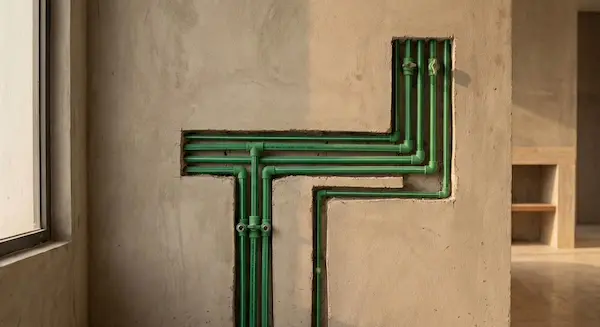
A plumbing system is only as reliable as the materials used to build it. While selecting the correct pipe size is essential, choosing high quality pipes that deliver consistent performance under demanding conditions is equally important.
At TUFF Bathrooms, we understand that professional plumbers, engineers, contractors, architects, and developers need more than just plumbing products they need dependable solutions that support long-term performance. That is why our PN25 PPR Pipes are designed to meet the requirements of modern hot and cold water distribution systems across residential, commercial, institutional, and industrial projects.
Built for Reliable Performance
TUFF PN25 PPR Pipes are manufactured to provide dependable performance in modern plumbing applications. When installed according to the recommended guidelines and used within their specified operating conditions, they help deliver efficient water distribution while supporting the long term integrity of the plumbing system.
Combined with compatible TUFF PPR fittings and fusion welding equipment, they form a complete plumbing solution designed for reliability and consistency.
A Complete Plumbing System
At TUFF, we believe that the best plumbing systems are built using compatible components that are engineered to work together.
Our complete PPR plumbing range includes:
- TUFF PN25 PPR Pipes
- TUFF PPR Fittings
- TUFF Ball Valves
- TUFF Fusion Welding Machines
- PPR Accessories
Using a complete system helps improve compatibility during installation, simplifies heat fusion, and supports consistent performance throughout the plumbing network.
Designed for Every Project
TUFF PN25 PPR Pipes are suitable for a wide range of plumbing applications, including:
- Residential homes
- Apartment buildings
- Hotels
- Hospitals
- Commercial developments
- Educational institutions
- Industrial facilities
Whether the project is a single family home or a large commercial development, TUFF provides plumbing solutions that meet the demands of modern construction.
Technical Support Beyond the Product
Quality products are only part of the solution. Successful plumbing projects also depend on informed decisions, correct installation practices, and access to reliable technical guidance.
That is why TUFF Bathrooms continues to invest in educational resources, practical installation guides, and technical content that help industry professionals build with greater confidence. Our goal is not only to supply premium plumbing products but also to support better plumbing standards across every project.
Build with Confidence
Choosing the right PPR pipe size is only the beginning. Pairing correctly sized pipes with compatible fittings, quality fusion welding equipment, and professional installation practices creates a plumbing system designed to perform efficiently for years to come.
With TUFF PN25 PPR Pipes, you’re investing in a complete plumbing solution backed by quality, compatibility, and technical expertise.

Speak with a TUFF Plumbing Expert
Choosing the correct PPR pipe size is an important step in designing a reliable plumbing system, but every project has its own unique requirements. Factors such as building type, water demand, operating pressure, plumbing layout, and future expansion all influence the most suitable pipe size and system configuration.
Whether you’re planning a new home, constructing a commercial development, upgrading an industrial facility, or specifying materials for a large infrastructure project, making informed decisions at the planning stage can improve installation efficiency, reduce costly mistakes, and support long-term plumbing performance.
That’s why TUFF Bathrooms provides more than premium plumbing products. We offer technical guidance to help plumbers, contractors, engineers, architects, developers, and homeowners choose the right PPR pipes, fittings, and accessories for every project.
Our Plumbing Experts Can Help You With
- Selecting the appropriate PPR pipe sizes for your project.
- Recommending compatible PPR fittings and accessories.
- Understanding PN pressure ratings and product specifications.
- Choosing the right fusion welding equipment.
- Planning residential, commercial, and industrial plumbing systems.
- Identifying products suitable for hot and cold water applications.
- Connecting you with an authorised TUFF distributor or showroom.
Whether you’re managing a single residential installation or overseeing a large scale commercial development, our technical team is ready to provide practical guidance based on your project’s requirements.

Why Work with TUFF?
At TUFF Bathrooms, we believe successful plumbing projects begin with the right advice. By combining premium PN25 PPR pipes with compatible fittings, professional fusion welding equipment, and technical expertise, we help industry professionals build plumbing systems designed for dependable long term performance.
Our commitment extends beyond supplying products. We are dedicated to supporting better plumbing practices through technical education, product knowledge, and professional guidance that helps our customers make informed decisions with confidence.
Let’s Build Your Next Project Together
If you’re unsure which PPR pipe size is right for your project or need technical advice before installation begins, we’re here to help.
Speak with our team for expert guidance on selecting the right products, understanding system requirements, and building a plumbing solution that delivers reliable performance for years to come.
Contact TUFF Bathrooms today and speak with a Plumbing Expert.
Strong Call to Action
Choose the Right Pipe Size. Build with Confidence.
Every successful plumbing system begins with informed decisions. Selecting the right PPR pipe size, compatible fittings, and professional installation methods helps create reliable hot and cold water systems that are built to perform.
At TUFF Bathrooms, we provide complete PN25 PPR plumbing solutions, including premium PPR pipes, precision-engineered fittings, fusion welding equipment, valves, and accessories designed to work together as one integrated system.
Whether you’re a plumber, contractor, engineer, architect, developer, or homeowner, our technical team is ready to help you choose the right products for your project.
Explore TUFF’s complete range of PN25 PPR pipes, download our product catalogue, or speak with a TUFF Plumbing Expert today.
Build Smarter. Build Stronger. Build with TUFF.