
Contents
- What is a PPR Pipe?
- How Do PPR Pipes Work?
- Advantages
- Applications
- Installation
- Pipe Sizes
- Pressure Ratings
- TUFF Recommendation
- FAQS
What is a PPR Pipe?
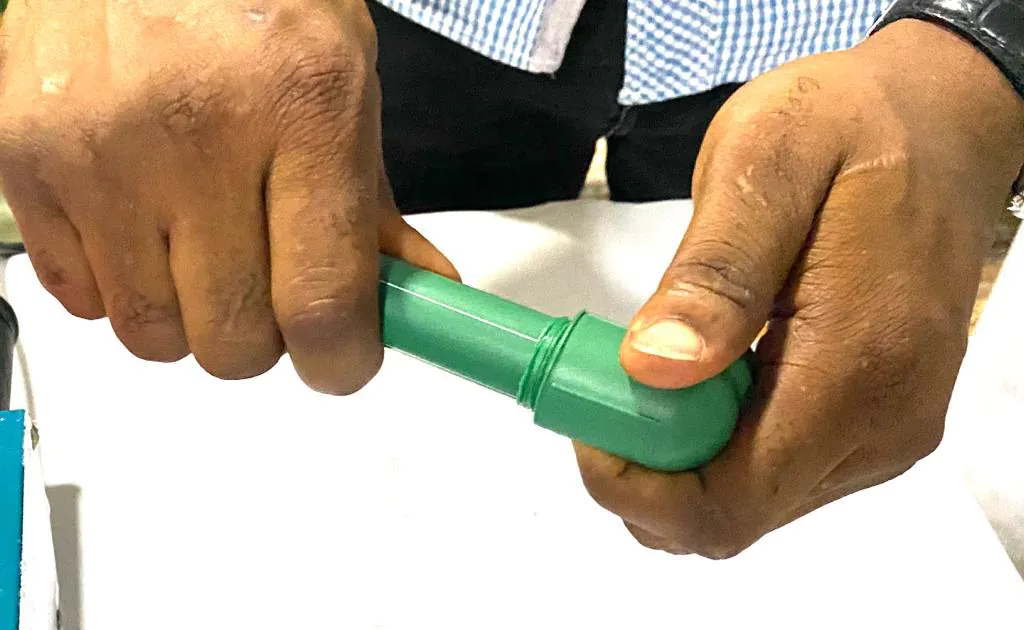
A PPR pipe (Polypropylene Random Pipe) is one of the most reliable plumbing pipe systems used today for transporting hot and cold water in residential, commercial, and industrial buildings.

Unlike traditional galvanized steel or PVC pipes, PPR (Polypropylene Random Copolymer) pipes are designed for both hot and cold water distribution systems. Their heat-fusion installation method creates a permanent joint that is often stronger than the pipe itself, significantly reducing the risk of leakage over time.
Today, PPR piping is widely specified by architects, MEP engineers, contractors, developers, and professional plumbers due to its ability to withstand high temperatures, pressure fluctuations, and decades of continuous use.
In this comprehensive guide, you’ll learn everything about PPR pipes—from what they are and how they work to their applications, installation process, advantages, disadvantages, lifespan, and how to choose the right system for your project.
What is a PPR Pipe Used For?
PPR (Polypropylene Random Copolymer) pipes operate using a heat fusion welding process, a technology that permanently joins the pipe and fitting into a single continuous system. Unlike threaded or adhesive connections, which rely on mechanical joints or glue, PPR pipes are fused together at the molecular level.
This creates a seamless connection that is exceptionally strong, durable, and highly resistant to leaks.
During installation, both the end of the PPR pipe and the inside of the corresponding fitting are heated simultaneously using a PPR fusion welding machine.
Once the correct temperature is reached, the pipe is inserted into the fitting and held in place for a few seconds while it cools.
As the material solidifies, the molecules from both components bond together to form one continuous piece of polypropylene.
Because there are no weak joints, rubber seals, or adhesives involved, the finished plumbing system can withstand high water pressure, temperature fluctuations, and decades of continuous use with minimal maintenance.
This heat-fusion technology is one of the primary reasons why PPR piping systems are widely specified for residential, commercial, industrial, healthcare, and hospitality projects.
Heat Fusion Technology :
PPR pipes use heat rather than glue or threaded connections. A specialized fusion machine heats both the pipe and fitting to the required temperature, allowing them to be permanently joined. This process creates a connection that is often stronger than the pipe itself.
Molecular Bonding :
Unlike traditional plumbing systems where separate parts are merely connected, PPR pipes undergo molecular bonding. The heated surfaces merge together, creating a single continuous structure without visible seams. This significantly reduces the possibility of joint failure over time.
High Pressure Resistance :
Modern PPR piping systems are designed to withstand high operating pressures and varying water temperatures. Premium systems, such as PN25 PPR pipes, are engineered for demanding hot and cold water distribution networks where reliability and long-term performance are essential.
Leak-Free Joints:
One of the greatest advantages of PPR technology is its leak-free fusion joints. Since every connection becomes a permanent molecular bond, there are no threaded fittings to loosen, no adhesives to deteriorate, and no rubber washers to wear out. This greatly reduces the risk of water leakage, helping to protect buildings from costly water damage and long-term maintenance issues.
Advantages of PPR Pipes :
PPR (Polypropylene Random Copolymer) pipes have become one of the world’s most preferred plumbing systems because they combine durability, hygiene, and long-term performance. Unlike traditional metal pipes that can corrode or PVC pipes that are primarily designed for cold water applications, PPR pipes are engineered to provide a reliable solution for both residential and commercial plumbing systems.
Below are some of the key advantages of using PPR pipes.
- Corrosion Resistant
Unlike galvanized steel or iron pipes, PPR pipes do not rust, corrode, or react with water. This makes them ideal for long-term water distribution systems, even in areas with aggressive water conditions. - Leak-Free Fusion Joints
PPR pipes are joined using heat fusion technology, creating a permanent molecular bond between the pipe and fitting. Since there are no threaded or glued connections, the risk of water leakage is significantly reduced. - Suitable for Hot and Cold Water Systems
One of the biggest advantages of PPR pipes is their ability to transport both hot and cold water efficiently. They can withstand high operating temperatures, making them ideal for domestic hot water systems, bathrooms, hotels, hospitals, and commercial buildings. - Long Service Life
When properly installed, high-quality PPR pipes can last 50 years or more under normal operating conditions. Their excellent resistance to wear, pressure, and temperature changes makes them a long-term investment for any plumbing project. - Safe for Drinking Water
PPR pipes are manufactured from non-toxic materials that do not contaminate water or alter its taste, colour, or odour. This makes them a hygienic choice for potable drinking water systems. - Low Maintenance Requirements
Because PPR pipes resist corrosion, scaling, and leakage, they require very little maintenance throughout their service life. This helps reduce repair costs and minimizes disruptions after installation. - Smooth Internal Surface
The smooth inner wall of a PPR pipe minimizes friction and prevents mineral deposits or scale build-up. As a result, water flows more efficiently while maintaining consistent pressure over many years. - High Pressure Resistance
Premium PPR systems are designed to withstand high operating pressures without deformation or failure. Pipes with higher pressure ratings, such as PN25, are particularly suitable for demanding residential, commercial, and industrial plumbing applications. - Excellent Thermal and Sound Insulation
PPR pipes naturally reduce heat loss compared to metal pipes and also minimize water flow noise. This makes them ideal for buildings where energy efficiency and occupant comfort are important. - Lightweight and Easy to Install
PPR pipes are much lighter than metal pipes, making them easier to transport, handle, and install. Their heat fusion installation process is straightforward for trained professionals and results in faster project completion. - Chemical Resistant
PPR pipes offer excellent resistance to many chemicals, making them suitable for industrial water systems, laboratories, water treatment plants, and certain chemical processing applications. - Environmentally Friendly
PPR pipes are fully recyclable and have a long service life, reducing material waste and the need for frequent replacements. Their durability also contributes to more sustainable construction practices.
Why Professionals Choose PPR Pipes :
Architects, MEP engineers, contractors, developers, and professional plumbers continue to specify PPR piping systems because they provide a combination of reliability, durability, hygiene, and long-term cost savings. With leak-free joints, excellent pressure resistance, and a lifespan of up to 50 years, PPR pipes remain one of the most dependable solutions for modern plumbing installations.
Applications of PPR Pipes:
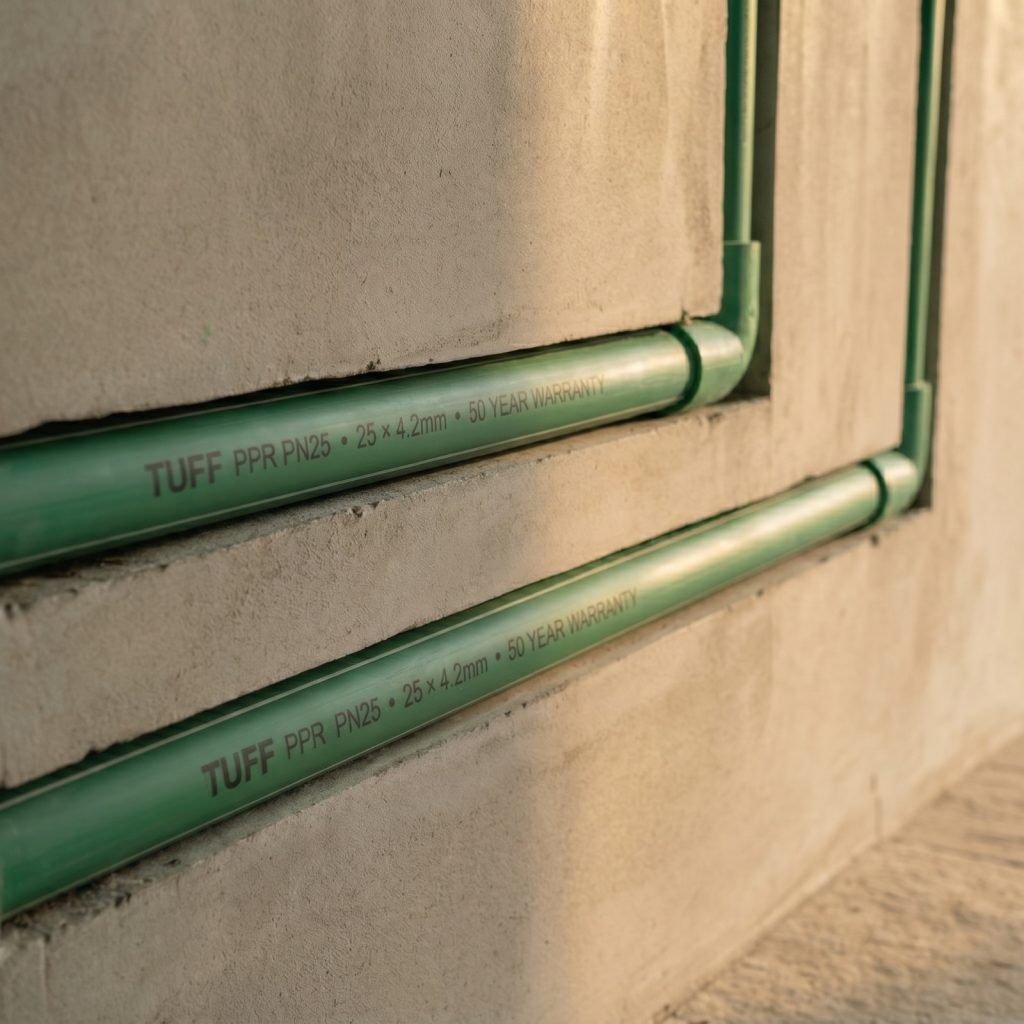
What is a PPR Pipe? Thanks to their exceptional durability, corrosion resistance, and ability to handle both hot and cold water, PPR pipes are widely used across residential, commercial, and industrial projects. Their leak-free fusion joints and long service life make them one of the most reliable piping systems for modern plumbing installations.
Below are some of the most common applications of PPR pipes.
A PPR pipe (Polypropylene Random Pipe) is one of the most reliable plumbing pipe systems used today for transporting hot and cold water in residential, commercial, and industrial buildings.
- Residential Buildings:
PPR pipes are widely used in houses, apartments, duplexes, and residential estates for hot and cold water supply systems. Their leak-free joints, hygienic properties, and long lifespan make them a preferred choice for homeowners seeking reliable plumbing solutions. - Hotels and Hospitality Facilities:
Hotels require uninterrupted water supply to guest rooms, kitchens, laundries, spas, and swimming pools. PPR pipes provide dependable performance under continuous use while minimizing maintenance and reducing the risk of water leakage. - Hospitals and Healthcare Facilities:
Healthcare facilities demand clean, safe, and hygienic water distribution systems. Since PPR pipes do not corrode or contaminate drinking water, they are widely used in hospitals, clinics, laboratories, and medical centres where water quality is critical. - Educational Institutions:
Schools, universities, and educational campuses rely on PPR piping systems for bathrooms, laboratories, cafeterias, and general water distribution. Their durability and low maintenance requirements make them ideal for facilities with heavy daily usage. - High-Rise Buildings:
Multi-storey residential and commercial buildings require piping systems capable of handling high pressure and continuous water flow. Premium PPR pipes, particularly PN25 pressure-rated systems, are well suited for vertical water distribution in high-rise developments. - Commercial Buildings:
Office complexes, shopping malls, supermarkets, restaurants, and business centres use PPR pipes for reliable water supply throughout their facilities. Their smooth internal surface ensures efficient water flow while reducing pressure losses. - Industrial Plants:
Many manufacturing facilities use PPR pipes for process water, cooling systems, compressed water networks, and chemical-resistant applications. Their excellent durability and resistance to corrosion make them suitable for demanding industrial environments. - Water Treatment Plants:
PPR piping systems are commonly installed in water purification and treatment facilities due to their resistance to corrosion, mineral deposits, and many chemical solutions used during water processing. - Agricultural Irrigation Systems:
PPR pipes are also used in irrigation networks, greenhouses, livestock farms, and agricultural water distribution systems where durability and long-term performance are essential. - Swimming Pools and Recreational Facilities:
Swimming pools, fitness centres, sports complexes, and recreational facilities use PPR pipes to transport clean water efficiently while resisting corrosion caused by treated water systems.
Why Professionals Specify PPR Pipes:
Architects, MEP engineers, plumbing consultants, contractors, developers, and professional plumbers continue to specify PPR piping systems because they deliver consistent performance across a wide range of building types. Whether the project is a private residence, a luxury hotel, a hospital, or a large industrial facility, PPR pipes provide the durability, pressure resistance, and long-term reliability required for modern plumbing systems.
How to Install PPR Pipes
One of the biggest advantages of PPR pipes is their unique heat fusion installation method. Unlike traditional piping systems that rely on adhesives, threads, or rubber seals, PPR pipes are joined by melting the pipe and fitting together using a specialized fusion welding machine. Once cooled, both components become a single continuous piece of plastic, creating an exceptionally strong, leak-free connection.
When installed correctly, a fusion joint is often as strong as the pipe itself, making it one of the most reliable plumbing systems available today.
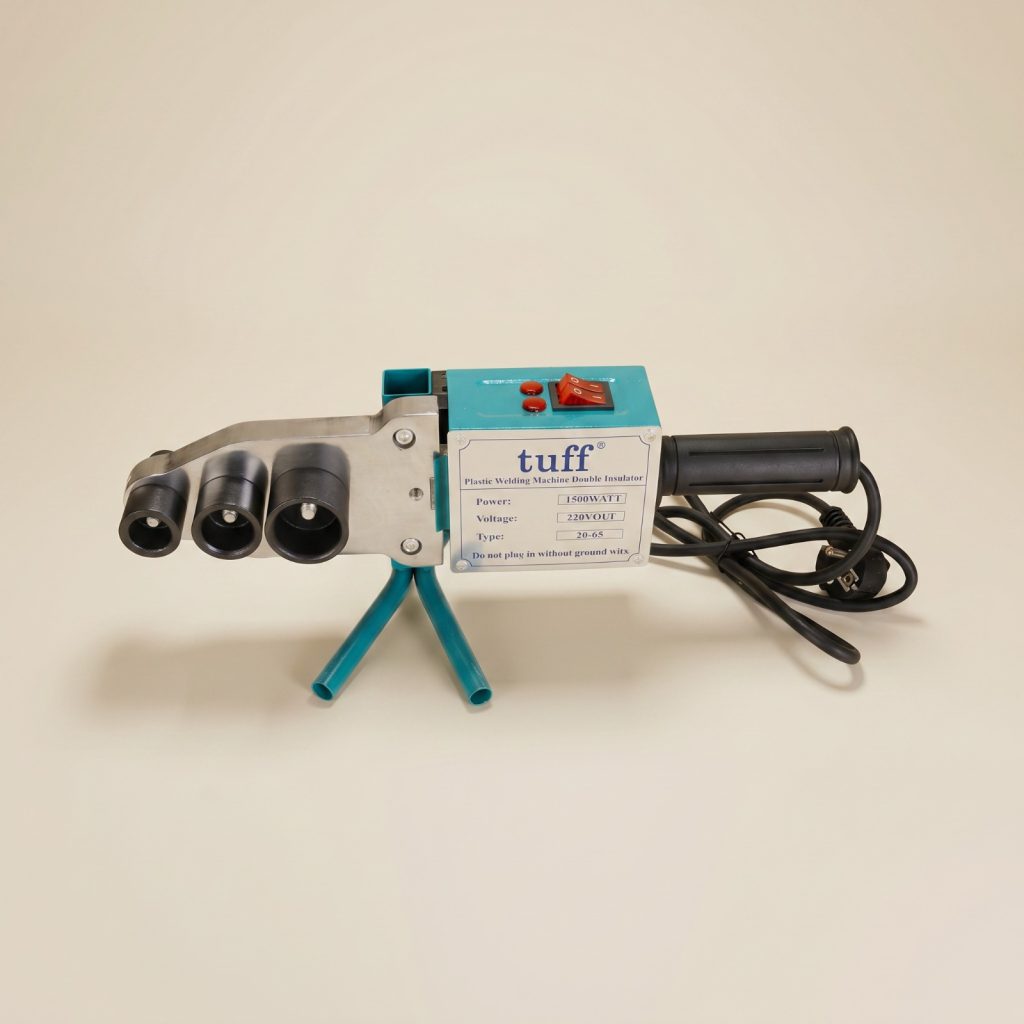
- Prepare the Fusion Welding Machine:
The installation begins by heating a PPR fusion welding machine to approximately 260°C, the standard temperature recommended for Polypropylene Random (PPR) pipes.
Once the machine reaches the correct temperature, the appropriate heating dies are fitted according to the pipe diameter being installed. The pipe end and fitting socket should be clean, dry, and free from dust or debris before fusion begins.
Using a quality fusion machine and following the manufacturer’s guidelines helps ensure consistent and durable joints. - Heat the Pipe and Fitting:
The pipe is inserted into one side of the heating die while the fitting is inserted into the other side simultaneously.
Both components are heated for a specific period depending on the pipe size. Smaller diameters require only a few seconds, while larger pipes require slightly longer heating times.
It is important not to overheat or underheat the material. Proper heating softens the outer layer of the pipe and the inner surface of the fitting, allowing them to fuse perfectly during assembly. - Join and Allow to Cool:
Immediately after heating, remove both components from the fusion machine and push the pipe straight into the fitting without twisting.
Once connected, hold the joint firmly for several seconds to allow the material to stabilize. Afterward, leave the joint undisturbed until it has cooled completely.
As the material cools, the pipe and fitting become permanently fused together at the molecular level, forming a single continuous pipeline with no weak connection points. - Avoid Common Installation Mistakes:
Although PPR installation is straightforward, improper installation techniques can reduce system performance and increase the risk of failure.
Some of the most common mistakes include:
A) Using an incorrect fusion temperature.
B) Heating the pipe for too long or too little time.
C) Twisting the pipe during insertion.
D) Moving the joint before it has cooled completely.
E) Using dirty, scratched, or contaminated heating dies.
F) Failing to cut the pipe square before welding.
G) Mixing incompatible pipe and fitting dimensions.
H) Pressure testing the system before the recommended cooling period has elapsed.
Professional installers always follow the recommended heating and cooling times provided by the manufacturer to achieve reliable, long lasting joints.
Why Proper Installation Matters:
The performance of a PPR plumbing system depends not only on the quality of the pipe but also on proper installation. Even the best materials can fail if incorrect fusion techniques are used. When installed correctly with quality pipes, fittings, and fusion equipment, a PPR system can provide decades of leak-free service with minimal maintenance.
TUFF PN25 PPR Pipes are designed for precision heat fusion, allowing installers to achieve strong molecular joints that resist high pressure, temperature fluctuations, and leakage. Always use compatible TUFF PPR fittings and calibrated fusion welding machines for the best installation results.
PPR Pipe Sizes and Their Uses:
PPR pipes are manufactured in various diameters to suit different plumbing applications, from supplying water to a single bathroom to distributing water throughout large commercial buildings. Choosing the correct pipe size is essential for maintaining proper water pressure, achieving the required flow rate, and ensuring efficient system performance.
Below are some of the most commonly used PPR pipe sizes and their typical applications.
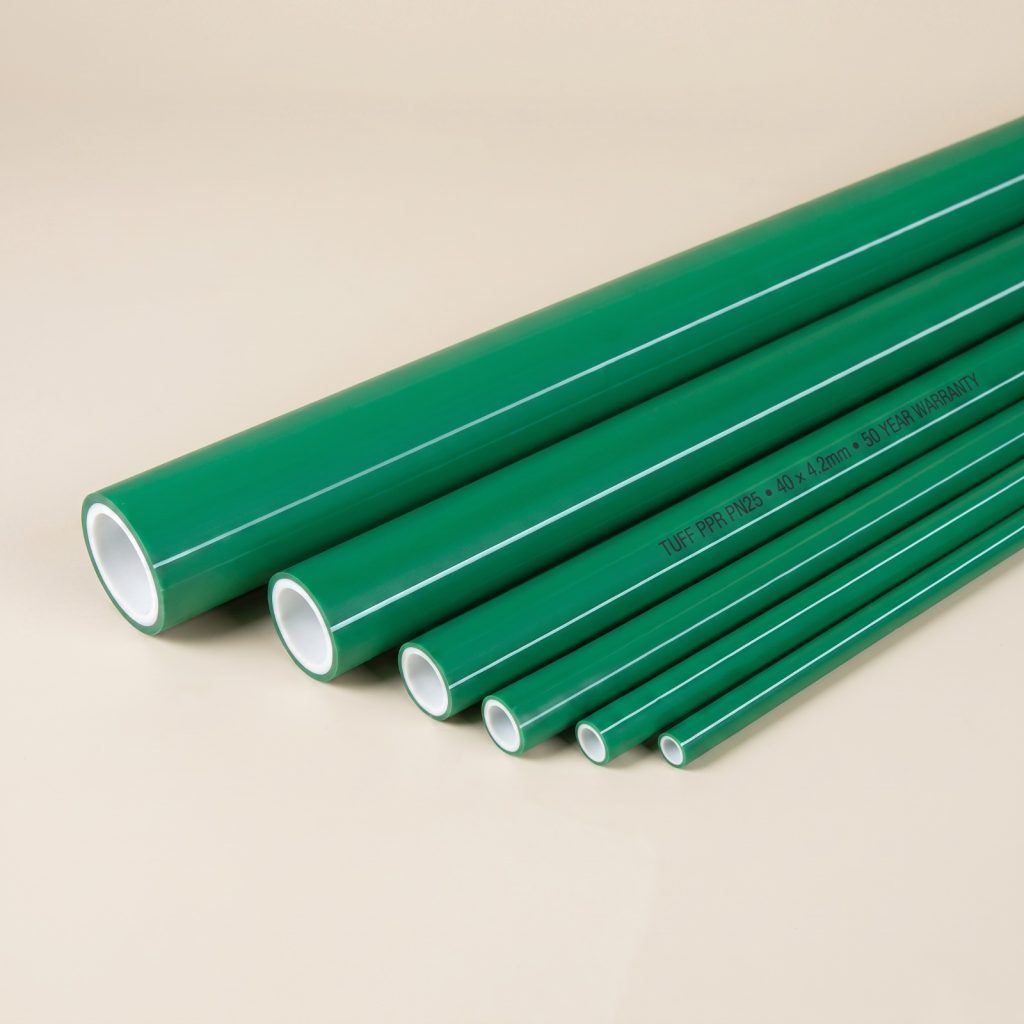
A PPR pipe (Polypropylene Random Pipe) is one of the most reliable plumbing pipe systems used today for transporting hot and cold water in residential, commercial, and industrial buildings.
20mm PPR Pipe (½ inch):
The 20mm PPR pipe is the most common size used in residential plumbing. It is ideal for supplying water to individual plumbing fixtures such as wash hand basins, kitchen sinks, water closets (WCs), showers, and washing machines. It is typically used as the final branch line leading to a fixture.
25mm PPR Pipe (¾ inch):
The 25mm PPR pipe is commonly used as the main water distribution line inside residential homes and small commercial buildings. It can supply multiple bathrooms or fixtures simultaneously while maintaining good water pressure. It is often used between the water storage tank and various branches within a building.
32mm PPR Pipe (1 inch):
The 32mm PPR pipe is designed for larger water distribution systems. It is widely used in duplexes, apartment buildings, hotels, schools, hospitals, and commercial facilities where higher water demand requires greater flow capacity.
40mm PPR Pipe (1¼ inch):
The 40mm PPR pipe is suitable for high-capacity water distribution systems. It is commonly installed in larger commercial buildings, hotels, hospitals, industrial facilities, and central water supply networks where significant water flow is required.
Larger PPR Pipe Sizes
PPR pipes are also available in larger diameters such as 50mm, 63mm, 75mm, 90mm, and 110mm for industrial applications, municipal water systems, manufacturing plants, and large-scale building projects. These sizes are typically specified by engineers based on hydraulic calculations and system requirements.
How to Choose the Right PPR Pipe Size
- Selecting the correct pipe size depends on several factors, including:
- Number of plumbing fixtures being supplied.
- Required water flow rate.
- Water pressure available.
- Building height.
- Length of the pipeline.
- Simultaneous water demand.
- Recommendations from the plumbing design engineer.
Using a pipe that is too small may reduce water pressure and flow, while using an unnecessarily large pipe can increase project costs without providing additional benefits.
Although many homeowners choose pipe sizes based on availability or price, professional plumbers and MEP engineers select PPR pipe diameters using hydraulic calculations to ensure adequate pressure, efficient water distribution, and long-term system reliability.
At TUFF Bathrooms, our PN25 PPR Pipes are available in multiple sizes to meet the requirements of residential, commercial, and industrial plumbing systems, providing reliable performance for both hot and cold water installations.
Understanding PPR Pipe Pressure Ratings (PN10, PN16, PN20 & PN25)
Not all PPR pipes are designed to withstand the same pressure and temperature conditions. This is why PPR pipes are classified into different Pressure Nominal (PN) ratings.
The PN rating indicates the maximum working pressure a pipe is designed to withstand under standard operating conditions. As the PN rating increases, the pipe generally has a thicker wall and is capable of handling higher pressure and, in many cases, higher operating temperatures.
Selecting the correct pressure rating is essential for ensuring the safety, durability, and long-term performance of any plumbing system.
PN10 PPR Pipes
PN10 pipes are designed for low-pressure water distribution systems. They are commonly used for cold water applications where pressure demands are relatively low.
Typical applications include:
- Low-pressure cold water supply
- Agricultural irrigation systems
- Domestic water distribution with minimal pressure requirements
- PN10 pipes are not recommended for hot water installations due to their lower pressure and temperature capacity.
PN16 PPR Pipes
PN16 pipes provide a higher pressure rating than PN10 and are suitable for many standard residential plumbing systems.
They are commonly used for:
- Cold water distribution
- Moderate-pressure plumbing systems
- Some low-temperature hot water installations
- PN16 is widely used in residential buildings but may not be suitable for demanding commercial or high-pressure applications.
PN20 PPR Pipes
PN20 pipes are designed to handle higher operating pressures and elevated temperatures.
They are suitable for:
- Hot and cold water distribution
- Residential and commercial plumbing
- Medium to high-rise buildings
- Central water supply systems
- PN20 offers improved durability for projects that require greater performance than standard residential installations.
PN25 PPR Pipes
PN25 represents one of the highest pressure ratings commonly available for PPR plumbing systems. These pipes are engineered to withstand higher pressures while maintaining excellent performance under continuous hot and cold water service.
PN25 pipes are commonly specified for:
- High-rise buildings
- Hotels
- Hospitals
- Commercial developments
- Industrial facilities
- Central hot water systems
- High-pressure plumbing installations
- Because of their thicker wall construction and superior pressure resistance, PN25 pipes provide greater reliability in demanding environments where system failure is not an option.
Why TUFF Uses PN25 PPR Pipes:
At TUFF Bathrooms, we believe plumbing systems should be designed for long-term reliability not just to meet minimum requirements.
That is why our TUFF PPR Pipes are manufactured to PN25 standards, providing exceptional pressure resistance for both hot and cold water installations. This gives plumbers, engineers, contractors, and property owners greater confidence that the plumbing system will continue performing reliably for decades.
Our PN25 PPR pipes are designed to deliver:
Superior pressure resistance for demanding plumbing systems.
Reliable performance in both hot and cold water installations.
Strong molecular fusion joints for leak-free connections.
Long service life with minimal maintenance.
Excellent durability for residential, commercial, and industrial projects.
Whether you are constructing a family home, hotel, hospital, apartment complex, or commercial development, choosing a higher pressure-rated piping system helps reduce the risk of leaks, failures, and costly repairs in the future.
Many buyers focus only on the pipe diameter (20mm, 25mm, or 32mm), but the pressure rating is equally important. A correctly sized pipe with an inadequate PN rating may not perform well under the pressure and temperature demands of the system.
For projects requiring long-term performance, engineers and plumbing professionals often recommend selecting a pressure rating that provides an additional safety margin rather than simply meeting the minimum requirement.
Why Professionals Choose TUFF PN25 PPR Pipes
Selecting the right PPR pipe is about more than simply choosing the correct size or pressure rating. It is about investing in a plumbing system that delivers long-term reliability, protects the building, and minimizes maintenance costs over its service life.
At TUFF Bathrooms, our PN25 PPR Pipes are manufactured from premium virgin polypropylene using advanced production technology to deliver consistent quality and dependable performance. Designed for both hot and cold water systems, they provide excellent pressure resistance, strong heat-fusion joints, and long-term durability for demanding plumbing applications.
TUFF PN25 PPR Pipes are suitable for:
Residential homes and apartments
Hotels and hospitality projects
Hospitals and healthcare facilities
Commercial buildings
High-rise developments
Educational institutions
Industrial and manufacturing facilities
Why Choose TUFF PN25 PPR Pipes?
Manufactured from 100% premium virgin polypropylene.
PN25 pressure rating for superior hot and cold water performance.
Reliable heat-fusion technology for permanent, leak-free joints.
Smooth internal surface that promotes efficient water flow.
Corrosion and chemical resistant.
Hygienic and safe for potable drinking water.
Engineered for a long service life with minimal maintenance.
Designed to meet the requirements of professional plumbers, engineers, contractors, and developers.
Whether you are constructing a new building or upgrading an existing plumbing system, choosing a high quality PPR pipe can significantly reduce the likelihood of future leaks, failures, and expensive repairs. Investing in a reliable piping system from the outset helps protect both the building and its occupants for many years.
Why TUFF Bathrooms?
For over four decades, TUFF Bathrooms has supplied plumbing and sanitary solutions that combine engineering performance with long term reliability. Our commitment to quality, continuous innovation, and customer satisfaction has made TUFF a trusted choice for professionals seeking durable plumbing systems for residential, commercial, and industrial projects.
If you’re planning your next plumbing installation, explore our range of TUFF PN25 PPR Pipes and Fittings or speak with our technical team for guidance on selecting the right solution for your project.
Frequently Asked Questions (FAQs) About PPR Pipes
Why do professional plumbers choose PN25 PPR pipes?
Many professional plumbers, contractors, and engineers prefer PN25 PPR pipes because they provide a higher pressure rating, excellent hot and cold water performance, durable heat-fused joints, and long-term reliability. This makes them well suited for residential, commercial, and industrial plumbing projects where system performance is critical.
Final Thoughts
PPR pipes have become one of the most trusted plumbing solutions worldwide because they combine strength, durability, hygiene, and long service life. When properly designed and professionally installed, a quality PPR piping system can provide decades of reliable performance for homes, hotels, hospitals, commercial buildings, and industrial facilities.
If you’re selecting a PPR plumbing system for your next project, consider not only the pipe size but also the pressure rating, material quality, and manufacturer’s reputation. These factors play a major role in ensuring a plumbing installation that remains safe, efficient, and leak-free for many years
What does PPR stand for?
PPR stands for Polypropylene Random Copolymer, a high-performance thermoplastic widely used for plumbing systems. It is known for its durability, corrosion resistance, heat resistance, and ability to create permanent leak-free joints through heat fusion.
How long do PPR pipes last?
When properly installed and used under normal operating conditions, quality PPR pipes can last 50 years or more. Their resistance to corrosion, scaling, and chemical degradation makes them one of the longest-lasting plumbing materials available.
Are PPR pipes suitable for hot water?
Yes. PPR pipes are specifically designed for both hot and cold water systems. High-quality PPR pipes, particularly PN20 and PN25, can continuously transport hot water while maintaining excellent strength and reliability.
Which is better: PPR or PVC?
Both materials serve different purposes.
PPR pipes are ideal for hot and cold water supply because they can withstand higher temperatures and are joined using heat fusion to create leak-free connections.
PVC pipes are commonly used for drainage, waste, and low-temperature water applications but are generally not suitable for continuous hot water supply.
For pressurized domestic plumbing systems, PPR is usually the preferred choice.
What pressure can PPR pipes withstand?
The pressure capacity depends on the pipe’s PN (Pressure Nominal) rating.
PN10 – Low-pressure cold water systems.
PN16 – Medium-pressure residential applications.
PN20 – Higher-pressure hot and cold water systems.
PN25 – High-pressure residential, commercial, and industrial installations.
Always select the pressure rating recommended by your plumbing engineer or project specifications.
Can PPR pipes be buried underground?
Yes. PPR pipes can be installed underground when protected and installed according to the manufacturer’s recommendations. Proper bedding, protection against sharp objects, and appropriate installation practices help ensure long-term performance.
Are PPR pipes safe for drinking water?
Yes. High-quality PPR pipes manufactured from virgin polypropylene are hygienic, non-toxic, and suitable for potable drinking water. Their smooth internal surface also helps reduce the buildup of scale and bacteria.
What does PN25 mean?
PN25 indicates that the pipe is designed for high-pressure plumbing applications. Compared with lower pressure ratings, PN25 pipes have thicker walls and provide greater resistance to pressure, making them ideal for demanding hot and cold water systems.
Do PPR pipes rust or corrode?
No. Unlike metal pipes, PPR pipes do not rust, corrode, or suffer from electrochemical reactions. This makes them particularly suitable for long-term water distribution systems.
Can PPR pipes be used outdoors?
Yes, but they should be protected from prolonged exposure to direct ultraviolet (UV) sunlight. When installed outdoors, PPR pipes should be insulated, enclosed, or otherwise shielded from continuous UV exposure to maximize their service life.
Why are PPR pipes joined using heat fusion?
Heat fusion creates a molecular bond between the pipe and fitting, transforming them into a single continuous piece of material. This eliminates the need for adhesives, rubber seals, or threaded joints and significantly reduces the risk of leakage.
What is the most commonly used PPR pipe size?
The most common sizes are:
20mm – Individual plumbing fixtures.
25mm – Residential water distribution.
32mm – Larger homes and small commercial buildings.
40mm and above – Hotels, hospitals, apartments, industrial projects, and large commercial developments.
The correct size should always be selected based on the building’s water demand and plumbing design.
Common Problems with PPR Pipes (and How to Avoid Them)
PPR pipes are widely regarded as one of the most reliable plumbing materials available today. However, like any plumbing system, their performance depends on the quality of the materials used, proper installation, and selecting the correct specifications for the project.
Below are some of the most common problems encountered with PPR piping systems and how they can be avoided.
- Poor-Quality Raw Materials
Not all PPR pipes are manufactured to the same quality standards. Pipes produced from recycled or low-grade polypropylene may become brittle, deform under pressure, or fail prematurely.
How to avoid it:
Choose PPR pipes manufactured from high-quality virgin polypropylene and supplied by reputable manufacturers that comply with recognized quality standards. - Incorrect Heat Fusion
The strength of a PPR plumbing system depends on proper heat fusion. Overheating, underheating, or inserting the pipe incorrectly can weaken the joint and eventually lead to leakage.
How to avoid it:
Use a calibrated fusion welding machine, follow the recommended heating and cooling times, and ensure that installers are properly trained in heat-fusion techniques. - Choosing the Wrong Pressure Rating
Using a pipe with an insufficient pressure rating for the intended application can reduce the lifespan of the plumbing system, particularly in buildings with high water pressure or hot water circulation.
How to avoid it:
Always select the appropriate PN rating based on the project requirements. Professional plumbers and engineers should consider both operating pressure and water temperature during the design stage. - Counterfeit or Substandard PPR Pipes
Counterfeit products have become increasingly common in many markets. These pipes often imitate reputable brands but fail to meet the required manufacturing standards, increasing the risk of leaks, cracks, and premature failure.
How to avoid it:
Purchase PPR pipes only from authorized distributors or trusted suppliers. Verify the product markings, packaging, and manufacturer information before installation. - Improper Storage and UV Exposure
Although PPR pipes are durable, prolonged exposure to direct sunlight before installation can gradually affect the material if it is not properly protected.
How to avoid it:
Store pipes in a shaded, dry location away from prolonged ultraviolet (UV) exposure. During outdoor installations, protect exposed pipes with suitable insulation or coverings where necessary. - Incorrect Pipe Sizing
A pipe that is too small may restrict water flow and reduce pressure, while an oversized pipe can unnecessarily increase project costs and affect system efficiency.
How to avoid it:
Select pipe sizes based on hydraulic calculations, the number of plumbing fixtures, building height, expected flow rate, and overall system design. - Mixing Incompatible Fittings
Using fittings from different manufacturers or combining components that do not meet the same dimensional standards can compromise the integrity of the plumbing system.
How to avoid it:
For the best results, use compatible PPR pipes and fittings from the same manufacturer whenever possible, and ensure they conform to recognized industry standards. - Skipping Pressure Testing
Some installers rush to conceal the piping system before carrying out a proper pressure test. If a fault exists, discovering it after walls and floors have been finished can be expensive and disruptive.
How to avoid it:
Always perform a pressure test after installation and before plastering, tiling, or concealing the piping system. This confirms that all joints are leak-free and that the system is ready for service.
Final Advice
Most PPR pipe failures are not caused by the material itself but by poor product selection, incorrect installation practices, or the use of substandard components. By choosing quality materials, following proper installation procedures, and working with qualified plumbing professionals, you can achieve a plumbing system that delivers decades of reliable, leak-free performance.
Conclusion
PPR pipes have transformed modern plumbing by providing a durable, hygienic, and reliable solution for hot and cold water distribution. Their corrosion resistance, leak-free heat fusion technology, long service life, and ability to withstand demanding operating conditions have made them the preferred choice for homeowners, plumbers, engineers, contractors, architects, developers, hotels, hospitals, and industrial facilities around the world.
However, choosing the right plumbing system goes beyond selecting a pipe. The quality of the raw materials, the pressure rating, the installation method, and the expertise of the installer all contribute to the long term performance of the entire system. A well designed and professionally installed PPR piping system can provide decades of dependable service while helping to reduce maintenance costs, prevent water damage, and improve the overall reliability of a building.
At TUFF Bathrooms, we believe every plumbing system should be built to last. That’s why our TUFF PN25 PPR Pipes and Fittings are manufactured from premium virgin polypropylene and engineered to deliver exceptional performance for both residential and commercial applications. Whether you’re building a new home, managing a large construction project, upgrading a hotel, or specifying products for a commercial development, choosing quality materials today helps prevent expensive plumbing problems tomorrow.TUFF is registered with INTERNATIONAL ORGANISATION FOR STANDADISATION ( ISO )
Need Expert Advice for Your Plumbing Project?
Selecting the right PPR pipe size, pressure rating, and fittings can make the difference between a plumbing system that lasts for decades and one that develops costly problems.
Our technical team is available to help you choose the right TUFF PN25 PPR Pipes and Fittings for your project, whether you’re working on a residential home, apartment complex, hotel, hospital, commercial building, or industrial facility.
Get in touch with TUFF Bathrooms today to:
- Receive expert recommendations for your plumbing project.
- Choose the correct PPR pipe sizes and pressure ratings.
- Find compatible PPR fittings and fusion welding equipment.
- Request a product catalogue or technical assistance.
- Locate your nearest TUFF distributor.
Explore our complete range of TUFF PN25 PPR Pipes and Fittings, or contact our technical team today to build a plumbing system designed for long-term performance, reliability, and peace of mind.