
Table of Contents
- What is a PPR Fitting?
- How Do PPR Fittings Work?
- Why are PPR Fittings Important?
- Types of PPR Fittings
- Common Sizes of PPR Fittings
- Materials Used in PPR Fittings
- Applications of PPR Fittings
- Advantages of PPR Fittings
- PPR Fittings vs PVC Fittings
- PPR Fittings vs CPVC Fittings
- How to Install PPR Fittings
- Common Installation Mistakes
- How to Choose Quality PPR Fittings
- Frequently Asked Questions
- Conclusion
What is a PPR Fitting?
A PPR fitting is a plumbing component used to connect, change the direction of, reduce, branch, or terminate a PPR (Polypropylene Random Copolymer) piping system. While PPR pipes transport water through a building, PPR fittings make it possible to create a complete plumbing network by securely joining individual pipe sections together.
PPR fittings are manufactured to work with PPR pipes using a heat fusion process. During installation, both the pipe and the fitting are heated with a PPR fusion welding machine before being joined together. As the material cools, the pipe and fitting bond at the molecular level, forming a permanent, leak-resistant connection without the need for glue, rubber seals, or threaded joints in standard fusion connections.
PPR fittings are available in a wide range of designs to suit different plumbing requirements. Depending on the layout of the water distribution system, installers may use elbows to change direction, tees to create branch lines, reducers to connect different pipe sizes, couplings to extend pipe runs, or threaded adaptors to connect PPR systems to metal fixtures and valves.

Because they are designed for both hot and cold water applications, PPR fittings are widely used in residential homes, apartments, hotels, hospitals, schools, commercial buildings, and industrial facilities. Their durability, corrosion resistance, and compatibility with heat-fused piping systems have made them an essential component of modern plumbing installations worldwide.
Simply put, a PPR pipe carries the water, while a PPR fitting allows the entire plumbing system to function safely, efficiently, and reliably.
How Do PPR Fittings Work?
PPR fittings work by creating permanent connections between PPR pipes through a process known as heat fusion. Unlike traditional plumbing systems that rely on glue, rubber seals, or threaded joints for every connection, PPR systems use heat to bond the pipe and fitting together at the molecular level.
During installation, the end of the PPR pipe and the inside of the matching PPR fitting are heated simultaneously using a PPR fusion welding machine. Once both components reach the recommended fusion temperature, they are removed from the heating dies and immediately joined together.
As the material cools, the molecules of the pipe and fitting fuse into a single continuous piece of polypropylene. This creates a strong, durable connection that is designed to perform under the system’s specified pressure and temperature conditions when installed correctly.
The role of the fitting depends on the plumbing layout. An elbow changes the direction of water flow, a tee creates a branch line, a reducer connects pipes of different diameters, while threaded adaptors allow PPR systems to connect with taps, valves, and other plumbing fixtures.
Because every fitting performs a specific function, selecting the correct fitting is just as important as choosing the right pipe size. Using the appropriate fitting helps maintain efficient water flow, supports proper system design, and contributes to the long-term reliability of the plumbing installation.
Professional plumbers also follow recommended heating, insertion, and cooling times during installation. Correct heat fusion techniques help ensure that each connection performs as intended throughout the life of the plumbing system.
Why Are PPR Fittings Important?
Every plumbing system is more than just a network of pipes. To deliver water safely and efficiently throughout a building, the pipes must change direction, split into multiple supply lines, connect to plumbing fixtures, adapt to different pipe sizes, and terminate at specific points. This is where PPR fittings play a vital role.
Without PPR fittings, it would be impossible to create a functional plumbing system. Each fitting is designed to perform a specific task, ensuring that water flows efficiently from the main supply line to bathrooms, kitchens, laundry rooms, water heaters, and other fixtures.
PPR fittings also contribute to the overall strength and reliability of the plumbing system. When installed using the correct heat fusion technique, they form durable connections with PPR pipes, helping to maintain the integrity of the water distribution network under its intended operating conditions.
Another important advantage is system flexibility. Modern buildings have unique plumbing layouts that require multiple changes in direction, branch connections, and transitions to valves, taps, and sanitary fixtures. The wide variety of PPR fittings available allows engineers and plumbers to design plumbing systems that meet the specific requirements of residential, commercial, and industrial projects.
Choosing high-quality PPR fittings is just as important as selecting quality pipes. Even if premium pipes are used, poorly manufactured or incompatible fittings can affect the performance and reliability of the entire system. For this reason, professional plumbers and engineers typically recommend using compatible pipes and fittings from the same manufacturer whenever possible.
Whether you’re building a new home, managing a commercial development, or upgrading an existing plumbing system, PPR fittings are essential components that help ensure efficient water distribution, dependable performance, and long-term reliability.

Types of PPR Fittings
PPR fittings are available in a wide range of shapes and configurations, with each type designed to perform a specific function within a plumbing system. From changing the direction of water flow to connecting different pipe sizes or linking PPR pipes to threaded fixtures, choosing the correct fitting is essential for building a reliable and efficient plumbing network.
Below are some of the most commonly used PPR fittings and their applications.
| PPR Fitting | Primary Function | Typical Application |
|---|---|---|
| Coupling | Joins two pipes | Extending straight pipe runs |
| Elbow | Changes direction | Corners and bends |
| Tee | Creates a branch | Supplying multiple fixtures |
| Reducer | Connects different sizes | Pipe size transitions |
| Male Adaptor | Connects to female-threaded fixtures | Valves, taps, water heaters |
| Female Adaptor | Connects to male-threaded fixtures | Plumbing equipment |
| Union | Allows easy disconnection | Pumps and maintenance points |
| End Cap | Seals a pipe end | Temporary or permanent pipe termination |
| Cross | Creates four-way branch | Specialized plumbing layouts |
| Ball Valve | Controls water flow | Isolation and maintenance |
1. PPR Coupling (Socket)
A PPR coupling, also known as a socket, is used to join two pipes of the same diameter in a straight line. It is one of the most common fittings in PPR plumbing systems and is frequently used to extend pipe runs.
2. PPR Elbow
PPR elbows are used to change the direction of a pipeline. They are commonly available in 45-degree and 90-degree angles, allowing plumbers to navigate walls, ceilings, corners, and other building structures while maintaining efficient water flow.
3. PPR Tee
A PPR tee connects three sections of pipe, allowing the main water supply to branch into two different directions. Tee fittings are commonly used when distributing water to multiple bathrooms, kitchens, or other plumbing fixtures.
4. PPR Reducer
A reducer connects two pipes of different diameters. It allows the plumbing system to transition smoothly from a larger pipe to a smaller one or vice versa, helping maintain the required flow rate throughout the system.
5. PPR Male Adaptor
A male adaptor features a threaded metal insert with external threads. It is used to connect PPR pipes to threaded plumbing components such as valves, taps, water heaters, and other fixtures that require a male threaded connection.
6. PPR Female Adaptor
A female adaptor contains an internally threaded metal insert, making it suitable for connecting PPR pipes to plumbing fixtures or equipment with male threaded connections. It provides a secure transition between plastic piping and metal components.
7. PPR Union
A PPR union allows two sections of pipe to be disconnected and reconnected without cutting the pipeline. It is commonly installed near pumps, valves, water heaters, and equipment that may require future maintenance or replacement.
8. PPR End Cap
An end cap is used to seal the end of a PPR pipeline. It may be installed temporarily during construction or permanently where future pipe extensions are not required.
9. PPR Cross
A PPR cross fitting connects four pipe sections, allowing water to flow in four directions from a single junction. Although less common than tees, cross fittings are useful in specific plumbing layouts where multiple branch connections are required.
10. PPR Ball Valve
A PPR ball valve controls the flow of water within a plumbing system. It allows sections of the pipeline to be opened or shut off for maintenance, repairs, or emergency isolation without affecting the entire water distribution network.
Each of these fittings serves a specific purpose, and selecting the correct type helps ensure efficient water flow, proper system design, and long-term plumbing performance. Professional plumbers and engineers choose fittings based on the plumbing layout, pipe size, pressure requirements, and the intended application.

Materials Used in PPR Fittings
The performance and durability of a PPR fitting depend largely on the quality of the materials used during manufacturing. While many PPR fittings may look similar on the outside, differences in raw materials, metal inserts, and manufacturing precision can significantly affect their long-term performance.
Polypropylene Random Copolymer (PPR)
The main body of a PPR fitting is manufactured from Polypropylene Random Copolymer (PPR), a high-performance thermoplastic developed for pressurized plumbing systems. This material offers excellent resistance to corrosion, chemical reactions, and scaling, making it suitable for both hot and cold water distribution.
Unlike metal pipes and fittings, PPR does not rust or corrode over time, helping to maintain water quality and reduce maintenance requirements.
Brass Inserts
Many PPR fittings, such as male adaptors, female adaptors, threaded elbows, and threaded tees, contain brass inserts. These threaded metal components provide a secure connection between the PPR piping system and plumbing fixtures such as taps, valves, shower mixers, and water heaters.
High-quality brass inserts are designed to provide strength, durability, and reliable threaded connections while resisting corrosion in normal plumbing applications.
Virgin Raw Materials
Professional plumbers and engineers generally prefer fittings manufactured from high-quality virgin polypropylene rather than recycled plastic. Virgin raw materials help achieve consistent strength, dimensional accuracy, and dependable performance throughout the service life of the plumbing system.
The quality of the raw material also plays an important role in the heat fusion process, allowing the pipe and fitting to bond correctly when installed according to the manufacturer’s recommendations.
Precision Manufacturing
The quality of a PPR fitting is influenced not only by the materials used but also by the manufacturing process. Precision moulding helps ensure that fittings maintain accurate dimensions, allowing them to fit correctly with compatible PPR pipes and produce consistent fusion joints.
Poorly manufactured fittings may have dimensional variations that can affect installation quality and the overall reliability of the plumbing system.
Why Material Quality Matters
Choosing high-quality PPR fittings helps improve the overall performance of a plumbing system. Reliable materials contribute to durable heat-fused joints, efficient water distribution, and long-term service when combined with proper installation practices.
For this reason, many plumbing professionals recommend using compatible pipes and fittings from the same manufacturer to help ensure system compatibility and consistent performance.
Advantages of PPR Fittings
PPR fittings have become one of the most widely used plumbing connection systems because they combine durability, reliability, and long-term performance. When used with compatible PPR pipes and installed correctly, they help create plumbing systems that require minimal maintenance while delivering dependable water distribution for many years.
Below are some of the key advantages of PPR fittings.
1. Corrosion Resistant
Unlike many traditional metal fittings, PPR fittings do not rust or corrode when exposed to water. This helps maintain the integrity of the plumbing system and supports consistent water quality throughout its service life.
2. Leak-Resistant Heat Fusion Joints
One of the biggest advantages of PPR fittings is their heat fusion connection method. When installed correctly, the pipe and fitting become a single continuous piece, reducing the likelihood of leaks at connection points compared with systems that rely on adhesives or mechanical joints.
3. Suitable for Hot and Cold Water Systems
PPR fittings are designed to work with PPR pipes in both hot and cold water applications. Their ability to withstand varying temperatures makes them suitable for residential, commercial, and industrial plumbing systems.
4. Long Service Life
High-quality PPR fittings are engineered for long-term performance. When combined with compatible pipes and installed according to the manufacturer’s recommendations, they can provide reliable service for decades under normal operating conditions.
5. Hygienic for Potable Water
PPR fittings are commonly used in drinking water systems because the material does not rust or contaminate the water. Their smooth internal surfaces also help reduce the accumulation of mineral deposits that can affect water flow over time.
6. High Pressure Performance
PPR fittings are manufactured to operate with pressurised plumbing systems. When matched with the appropriate pipe pressure rating, they help maintain the strength and reliability of the entire water distribution network.
7. Chemical Resistance
PPR fittings offer good resistance to many chemicals commonly encountered in water distribution systems. This makes them suitable for a wide range of residential, commercial, and selected industrial applications.
8. Low Maintenance Requirements
Because they resist corrosion, scaling, and many forms of deterioration, PPR fittings generally require very little maintenance after installation. This can help reduce repair costs and minimise disruption throughout the life of the plumbing system.
9. Lightweight and Easy to Handle
Compared with many metal plumbing fittings, PPR fittings are lightweight, making them easier to transport, store, and install. This can contribute to more efficient installation on construction sites.
10. Compatible with Modern Plumbing Systems
PPR fittings are available in numerous sizes and configurations, allowing plumbers and engineers to design plumbing systems for homes, hotels, hospitals, commercial buildings, industrial facilities, and other modern construction projects.
When these advantages are combined with proper system design, quality materials, and professional installation, PPR fittings provide a dependable solution for creating efficient and long-lasting plumbing systems.
Applications of PPR Fittings
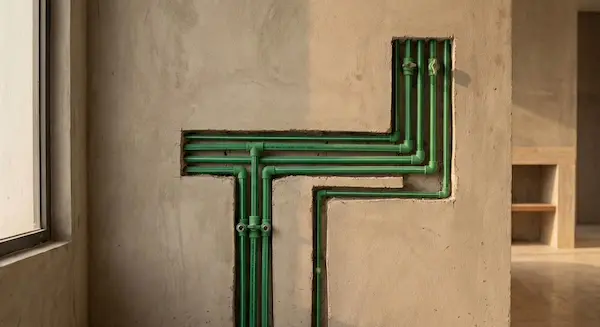
PPR fittings are used in a wide variety of plumbing systems because they provide secure, durable, and efficient connections for both hot and cold water distribution. Their corrosion resistance, leak-resistant heat fusion joints, and compatibility with pressurised water systems make them suitable for projects of all sizes, from residential homes to large industrial facilities.
Below are some of the most common applications of PPR fittings.
Residential Homes
PPR fittings are widely used in houses, apartments, duplexes, and residential estates to connect water supply lines for kitchens, bathrooms, laundry rooms, and outdoor plumbing. Their long service life and low maintenance requirements make them a preferred choice for modern homes.
Hotels and Hospitality Facilities
Hotels depend on uninterrupted water supply for guest rooms, kitchens, laundries, spas, and recreational facilities. PPR fittings help create reliable plumbing networks capable of supporting continuous daily operation while reducing the risk of leaks and maintenance interruptions.
Hospitals and Healthcare Facilities
Hospitals, clinics, laboratories, and healthcare centres require clean and dependable water distribution systems. PPR fittings are commonly used in these facilities because they resist corrosion and are suitable for potable water applications when used with compliant piping systems.
Commercial Buildings
Office complexes, shopping malls, supermarkets, restaurants, and business centres rely on PPR fittings to distribute water efficiently throughout their plumbing networks. Their compatibility with pressurised systems makes them suitable for high-demand commercial environments.
Educational Institutions
Schools, universities, colleges, and training centres use PPR fittings for water distribution to classrooms, laboratories, cafeterias, hostels, and sanitary facilities. Their durability helps minimise maintenance in buildings with heavy daily usage.
High-Rise Buildings
Multi-storey buildings require plumbing systems capable of maintaining reliable water distribution across multiple floors. PPR fittings are used alongside appropriately specified PPR pipes to support these demanding plumbing installations.
Industrial Facilities
Factories, manufacturing plants, and processing facilities use PPR fittings for process water distribution, cooling systems, and selected industrial applications where corrosion resistance and dependable performance are important.
Water Treatment Plants
PPR fittings are commonly installed in water treatment and purification facilities because they resist corrosion and help maintain efficient water flow throughout the treatment process.
Agricultural Irrigation Systems
Modern irrigation systems, greenhouses, livestock farms, and agricultural facilities also make use of PPR fittings to distribute water efficiently across farms and agricultural operations.
Swimming Pools and Recreational Facilities
Swimming pools, sports complexes, fitness centres, and recreational facilities require dependable plumbing systems for water circulation and supply. PPR fittings help connect and support these systems while offering long-term durability.
Why Professionals Choose PPR Fittings
Architects, MEP engineers, plumbing consultants, contractors, developers, and professional plumbers specify PPR fittings because they contribute to reliable plumbing systems that are designed for long-term performance. When combined with quality PPR pipes and installed correctly, they help create water distribution networks capable of serving residential, commercial, and industrial buildings efficiently for many years.
How to Install PPR Fittings
One of the defining features of PPR plumbing systems is their heat fusion installation method. Unlike traditional plumbing systems that rely on adhesives, threaded joints, or rubber seals, PPR fittings are joined to PPR pipes using controlled heat. This process creates a permanent molecular bond between the pipe and fitting, forming a strong and durable connection.
Professional installation is essential to achieve the intended performance of a PPR plumbing system. Using the correct equipment, following the manufacturer’s recommended heating and cooling times, and maintaining proper alignment all contribute to reliable, long-lasting joints.
Step 1: Prepare the Pipe and Fitting
Before installation, ensure the PPR pipe is cut square using a suitable pipe cutter. Remove any dirt, moisture, or debris from both the pipe and fitting, as clean surfaces help achieve a consistent fusion joint.
Step 2: Heat the Fusion Welding Machine
Fit the correct heating dies to the PPR fusion welding machine and allow it to reach the manufacturer’s recommended operating temperature. Using the correct die size ensures both the pipe and fitting are heated evenly.
Step 3: Heat the Pipe and Fitting
Insert the pipe into one side of the heating die and the fitting into the other side simultaneously. Heat both components for the recommended time based on their diameter. Overheating or underheating may affect the quality of the fusion joint.
Step 4: Join the Components
Once heated, remove both components from the fusion welding machine and immediately insert the pipe straight into the fitting without twisting. Correct alignment is important, as adjustments become difficult once the material begins to cool.
Step 5: Allow the Joint to Cool Naturally
Hold the connection steady for a few seconds and allow it to cool naturally. During this stage, the pipe and fitting fuse together at the molecular level, creating a permanent connection. Avoid disturbing the joint until it has cooled completely.
Step 6: Pressure Test the System
After completing the installation and allowing sufficient cooling time, the plumbing system should be pressure tested in accordance with the project specifications and applicable standards. Pressure testing helps verify that all joints have been installed correctly before the system is concealed behind walls or beneath floors.
Common Installation Mistakes to Avoid
Even high-quality PPR fittings can underperform if installed incorrectly. Some of the most common installation mistakes include:
- Using the wrong fusion temperature.
- Heating the pipe or fitting for too long or too little time.
- Twisting the pipe during insertion.
- Moving the joint before it has cooled completely.
- Using dirty or damaged heating dies.
- Mixing incompatible pipe and fitting sizes.
- Skipping pressure testing before commissioning.
Following the manufacturer’s installation guidelines and using compatible pipes, fittings, and fusion equipment helps reduce the risk of installation-related failures and contributes to the long-term reliability of the plumbing system.
PPR Fitting Sizes and Their Uses
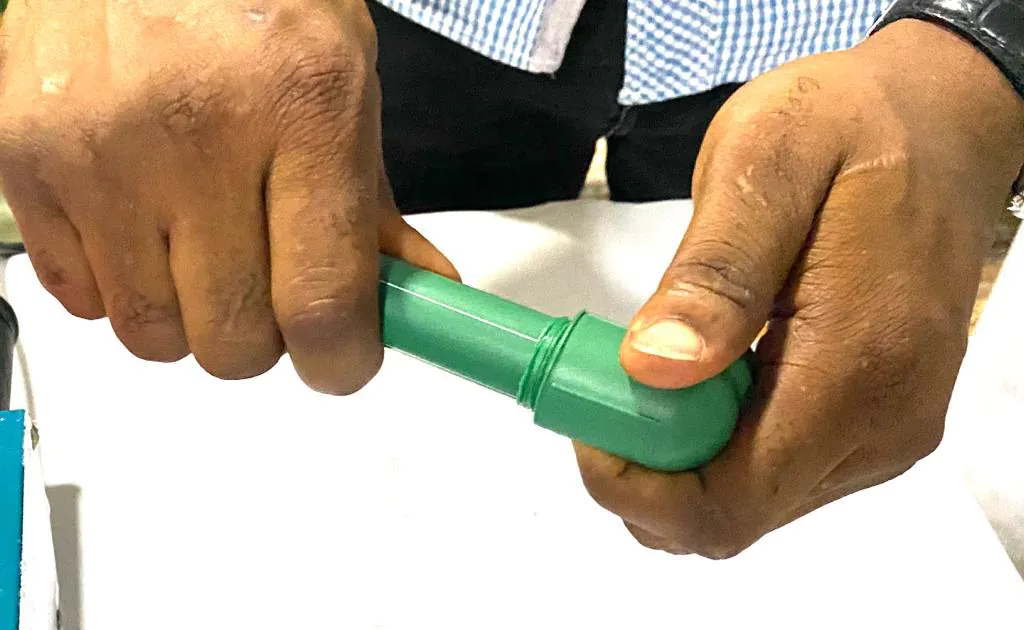
PPR fittings are manufactured in different sizes to match the corresponding PPR pipe diameters. Selecting the correct fitting size is essential for maintaining proper water flow, system pressure, and overall plumbing performance.
Each fitting is designed to fit a specific pipe size. Using the wrong size can result in poor installation, restricted water flow, or an unreliable plumbing system.
Below are some of the most commonly used PPR fitting sizes and their typical applications.
20mm PPR Fittings (½ inch)
20mm PPR fittings are commonly used for final branch connections supplying individual plumbing fixtures such as wash hand basins, kitchen sinks, showers, water closets (WCs), and washing machines. This is one of the most frequently used fitting sizes in residential plumbing systems.
25mm PPR Fittings (¾ inch)
25mm fittings are typically used for distributing water to multiple fixtures within a home or small commercial building. They are often installed on branch lines serving bathrooms, kitchens, or sections of a building that require higher water flow.
32mm PPR Fittings (1 inch)
32mm fittings are suitable for larger residential properties, apartment buildings, hotels, schools, hospitals, and commercial developments. They are commonly used where greater water demand requires larger distribution lines.
40mm PPR Fittings (1¼ inch)
40mm fittings are used in larger commercial and institutional plumbing systems where higher flow rates are required. They are commonly specified for hotels, hospitals, industrial facilities, and central water distribution systems.
Larger PPR Fitting Sizes
PPR fittings are also available in larger sizes, including 50mm, 63mm, 75mm, 90mm, and 110mm. These are generally specified for industrial projects, municipal water distribution, manufacturing facilities, and other large-scale plumbing installations where higher flow capacity is required.
| PPR Fitting Size | Inch Equivalent | Common Application |
|---|---|---|
| 20mm | ½ inch | Individual plumbing fixtures |
| 25mm | ¾ inch | Residential branch distribution |
| 32mm | 1 inch | Large homes and small commercial buildings |
| 40mm | 1¼ inch | Hotels, hospitals, commercial projects |
| 50mm+ | 1½ inch and above | Industrial and large-scale water distribution |
How to Choose the Right PPR Fitting Size
Choosing the correct fitting size depends on several factors, including:
- The diameter of the PPR pipe being used.
- The number of plumbing fixtures being supplied.
- Required water flow rate.
- Available water pressure.
- Building height.
- Overall plumbing system design.
- Recommendations from the plumbing engineer or consultant.
Using a fitting that matches the pipe diameter helps maintain efficient water flow and ensures proper heat fusion during installation. Professional plumbers and engineers select fitting sizes based on hydraulic calculations and the specific requirements of the project rather than availability or cost alone.
For the best results, always use compatible PPR pipes and fittings of the same nominal size and follow the manufacturer’s installation recommendations.
Understanding PPR Fitting Pressure Ratings (PN10, PN16, PN20 & PN25)
Choosing the correct PPR fitting involves more than selecting the right size. It is equally important to choose a fitting with the appropriate pressure rating for the intended application. The pressure rating indicates the operating conditions the fitting is designed to handle when used as part of a compatible PPR piping system.
The term PN stands for Pressure Nominal, a classification used to identify the pressure performance of pipes and fittings under standard operating conditions. As the PN rating increases, the fitting is generally designed for more demanding pressure applications when used with compatible piping systems.
PN10 PPR Fittings
PN10 fittings are commonly used in low-pressure cold water systems where operating pressures and temperatures are relatively modest. They are typically selected for applications that do not involve continuous hot water service.
Typical applications include:
- Low-pressure cold water distribution
- Irrigation systems
- General utility water supply
PN16 PPR Fittings
PN16 fittings are designed for medium-pressure plumbing systems and are widely used in standard residential water supply installations. They are suitable for many domestic plumbing applications within their specified operating conditions.
Typical applications include:
- Residential cold water systems
- Moderate-pressure plumbing installations
- Selected domestic water distribution networks
PN20 PPR Fittings
PN20 fittings are intended for higher-pressure plumbing systems and can be used in both hot and cold water applications when combined with compatible PPR pipes.
Typical applications include:
- Residential hot and cold water systems
- Commercial plumbing installations
- Medium-rise buildings
- Central water distribution systems
PN25 PPR Fittings
PN25 fittings are designed for demanding plumbing systems where higher operating pressures and continuous performance are required. They are commonly specified for large residential developments, commercial buildings, hotels, hospitals, and industrial projects.
When used with compatible PN25 PPR pipes, they help create plumbing systems capable of delivering reliable performance under challenging operating conditions.
Typical applications include:
- High-rise buildings
- Hotels and hospitality facilities
- Hospitals and healthcare centres
- Commercial developments
- Industrial facilities
- Central hot water systems
Why Pressure Rating Matters
Selecting the correct pressure rating helps ensure that every component within the plumbing system is suited to the project’s operating conditions. Using fittings with an inadequate pressure rating may affect the long-term reliability of the installation, particularly in systems that operate under higher pressures or elevated temperatures.
Professional plumbers and engineers evaluate factors such as water pressure, operating temperature, building height, and system design before selecting the appropriate pressure rating.
For the best results, PPR fittings should always be matched with compatible PPR pipes that have the appropriate pressure rating, ensuring the entire plumbing system performs as designed.
| Pressure Rating | Typical Application | Suitable for Hot Water |
|---|---|---|
| PN10 | Low-pressure cold water systems | No |
| PN16 | Standard residential plumbing | Limited, depending on system design |
| PN20 | Residential and commercial hot and cold water systems | Yes |
| PN25 | High-pressure residential, commercial, and industrial systems | Yes |
How to Choose the Right PPR Fittings

Selecting the right PPR fitting is just as important as choosing the right PPR pipe. Every fitting in a plumbing system plays a critical role in maintaining water flow, pressure, and long-term reliability. Choosing the wrong fitting can lead to installation challenges, reduced system performance, and costly repairs.
Whether you are a homeowner, plumber, contractor, engineer, or developer, the following factors should be considered before selecting PPR fittings.
1. Choose the Correct Fitting Type
Every fitting is designed for a specific purpose. Before purchasing, determine exactly what the plumbing system requires.
For example:
- Couplings for joining straight pipe runs.
- Elbows for changing direction.
- Tees for creating branch lines.
- Reducers for connecting different pipe sizes.
- Male and female adaptors for connecting to threaded plumbing fixtures.
- Ball valves for controlling water flow.
Using the correct fitting ensures the plumbing system functions as intended.
2. Match the Fitting Size to the Pipe
PPR fittings must always match the diameter of the PPR pipe being installed. A 25mm pipe should be connected using a compatible 25mm fitting, while larger pipes require fittings of the corresponding size.
Using incompatible sizes may affect installation quality and system performance.
3. Select the Appropriate Pressure Rating
The fitting’s pressure rating should match the operating requirements of the plumbing system.
Projects involving hot water, multi-storey buildings, hotels, hospitals, or commercial facilities often require higher pressure-rated systems than standard residential installations.
Professional plumbers and engineers select pressure ratings based on system design rather than price alone.
4. Check Material Quality
Not all PPR fittings are manufactured to the same standard.
Look for fittings produced from high-quality virgin polypropylene with precision moulding and durable threaded inserts where applicable. Quality materials contribute to reliable heat fusion, dimensional accuracy, and long-term performance.
5. Ensure Compatibility
For the best results, use compatible PPR pipes, fittings, and accessories that are designed to work together. This helps achieve consistent heat fusion joints and reduces the risk of dimensional incompatibility during installation.
6. Purchase from a Trusted Supplier
Buying from an established manufacturer or authorised distributor helps reduce the risk of counterfeit or substandard products. Reliable suppliers also provide technical support, product documentation, and warranty information to assist with installation and maintenance.
A Professional Approach to Selection
Experienced plumbers and engineers do not choose PPR fittings based solely on appearance or price. They evaluate the intended application, pipe size, pressure requirements, material quality, and system compatibility before making a decision.
Taking the time to select the right fittings at the beginning of a project helps improve installation quality, supports long-term system performance, and reduces the likelihood of future maintenance issues.
Why Professionals Choose TUFF PN25 PPR Fittings
A plumbing system is only as reliable as the quality of its components. While proper installation is essential, the long-term performance of the system also depends on selecting PPR fittings that are manufactured to consistent quality standards and designed for demanding plumbing applications.
At TUFF Bathrooms, our PN25 PPR Fittings are engineered to provide dependable performance in both residential and commercial plumbing systems. Manufactured from premium virgin polypropylene and designed for compatibility with TUFF PN25 PPR Pipes, they help create reliable plumbing networks for hot and cold water distribution.
Designed for Professional Applications
TUFF PN25 PPR Fittings are suitable for a wide range of projects, including:
- Residential homes and apartments
- Hotels and hospitality facilities
- Hospitals and healthcare institutions
- Commercial buildings
- Educational institutions
- High-rise developments
- Industrial facilities
Their versatility makes them suitable for projects that demand reliable water distribution and long-term plumbing performance.
Why Choose TUFF PN25 PPR Fittings?
Our PPR fittings are designed to support dependable plumbing installations by offering:
- Manufactured from premium virgin polypropylene.
- PN25 pressure rating for demanding hot and cold water systems.
- Precision manufacturing for accurate fit and reliable heat fusion.
- Compatible with TUFF PN25 PPR Pipes and accessories.
- Corrosion-resistant construction that requires minimal maintenance.
- Smooth internal surfaces that support efficient water flow.
- Hygienic materials suitable for potable water applications.
- Engineered for long service life when properly installed.
Built as a Complete Plumbing System
Professional Plumbers and Engineers often recommend using compatible pipes and fittings from the same manufacturer. This helps ensure dimensional compatibility, consistent fusion performance, and a more reliable plumbing installation.
TUFF offers a complete PPR plumbing solution, including pipes, fittings, fusion welding machines, valves, and accessories that are designed to work together as an integrated system.
Supporting Better Plumbing Projects
Whether you’re constructing a family home, specifying materials for a commercial development, or managing a large infrastructure project, choosing quality plumbing components from the outset can help reduce future maintenance, improve system reliability, and protect the long-term performance of the building.
At TUFF Bathrooms, we are committed to supplying plumbing solutions that combine engineering quality, durability, and practical performance to support professionals across the construction industry.

Frequently Asked Questions (FAQs) About PPR Fittings
What is a PPR fitting?
A PPR fitting is a plumbing component used to connect PPR pipes, change the direction of water flow, create branch lines, reduce pipe sizes, connect to threaded fixtures, or terminate a pipeline. Together with PPR pipes, these fittings form a complete plumbing system for hot and cold water distribution.
What are PPR fittings made of?
The main body of a PPR fitting is manufactured from Polypropylene Random Copolymer (PPR), a durable thermoplastic known for its corrosion resistance and suitability for pressurised plumbing systems. Threaded fittings typically incorporate brass inserts to provide secure connections to taps, valves, and other plumbing fixtures.
What are PPR fittings used for?
PPR fittings are used in residential homes, apartments, hotels, hospitals, schools, commercial buildings, industrial facilities, and other projects where reliable hot and cold water distribution is required. They connect pipes, control water flow, and adapt the plumbing system to different layouts and applications.
Are PPR fittings suitable for hot water?
Yes. High-quality PPR fittings are designed for both hot and cold water systems when used with compatible PPR pipes and within the manufacturer’s recommended operating conditions.
How are PPR fittings connected?
PPR fittings are connected using a heat fusion process. A PPR fusion welding machine heats both the pipe and fitting before they are joined together. Once cooled, they form a permanent molecular bond without the need for adhesives or rubber seals.
How long do PPR fittings last?
When manufactured from quality materials and installed correctly, PPR fittings can provide decades of reliable service under normal operating conditions. Their actual lifespan depends on factors such as pressure, temperature, installation quality, and system maintenance.
Do PPR fittings rust or corrode?
No. Unlike traditional metal fittings, PPR fittings are resistant to rust and corrosion, making them suitable for long-term water distribution systems and helping to maintain water quality.
Can PPR fittings be used for drinking water?
High-quality PPR fittings manufactured from suitable materials are commonly used in potable water systems. Always ensure the products selected comply with the applicable standards and local regulations for drinking water installations.
How do I choose the right PPR fitting?
Selecting the correct fitting depends on the pipe size, fitting type, pressure rating, and intended application. Professional plumbers and engineers also consider system design, water demand, and compatibility with other plumbing components before making a selection.
Why should compatible pipes and fittings be used together?
Using compatible pipes and fittings from the same manufacturer helps achieve proper dimensional compatibility, consistent heat fusion, and reliable system performance. This can contribute to the long-term integrity of the plumbing installation.
Conclusion
PPR fittings are essential components of modern plumbing systems, enabling PPR pipes to be connected, redirected, branched, reduced, and terminated with confidence. From residential homes and commercial buildings to hotels, hospitals, and industrial facilities, they play a vital role in creating reliable hot and cold water distribution networks.

Throughout this guide, we’ve explored what PPR fittings are, how they work, the different types available, their applications, pressure ratings, installation methods, and the key factors to consider when choosing the right fitting for a project. While selecting the correct pipe is important, the quality and compatibility of the fittings are equally critical to the long-term performance of the entire plumbing system.
For plumbers, engineers, contractors, developers, and homeowners, investing in high-quality PPR fittings helps reduce the risk of leaks, minimise maintenance, and support dependable plumbing performance for years to come. Choosing compatible pipes, fittings, and installation equipment—and ensuring they are installed correctly—is the foundation of a plumbing system designed to last.
At TUFF Bathrooms, we are committed to providing complete plumbing solutions that combine engineering quality, durability, and practical performance. Our range of TUFF PN25 PPR Pipes, PPR Fittings, Fusion Welding Machines, and plumbing accessories is designed to help professionals build reliable plumbing systems for residential, commercial, and industrial projects.
Whether you’re planning a new construction project, upgrading an existing plumbing system, or specifying products for a large-scale development, selecting quality materials today can help prevent costly plumbing problems tomorrow.
Build a Plumbing System Designed to Last
The quality of a plumbing system isn’t determined by its pipes alone. Every fitting, connection, and installation decision contributes to the system’s long-term reliability, efficiency, and performance.
Whether you’re building a new home, specifying materials for a commercial development, managing a hotel project, or supervising a large construction site, choosing the right PPR fittings today can help prevent leaks, reduce maintenance costs, and protect your investment for years to come.
At TUFF Bathrooms, we provide complete PN25 PPR plumbing solutions trusted by homeowners, Professional Plumbers, Contractors, Engineers, Architects, and Developers. Our range includes high-quality PPR pipes, fittings, fusion welding machines, valves, and accessories designed to work together as one reliable plumbing system.
If you’re planning your next project, our technical team is ready to help you:
- Select the right PPR pipes and fittings for your application.
- Choose the correct pipe size and pressure rating.
- Identify compatible plumbing accessories.
- Recommend solutions for residential, commercial, and industrial projects.
- Connect you with your nearest TUFF distributor.
Build with confidence. Build with TUFF.
Explore our PPR Plumbing Solutions or speak with our technical team today.